Crescent Nebula
Here is the Crescent Nebula. I think I need to work on more frames, longer exposure, and less gain. Will have to revisit this one soon!

a place to share
Here is the Crescent Nebula. I think I need to work on more frames, longer exposure, and less gain. Will have to revisit this one soon!
I wanted three things that should have been one thing.
A blog I actually own. An app on my phone so I can post from wherever I happen to be standing. And a way to write something once and have it turn up on the places people read, without me copying and pasting it four times.
None of that is exotic. All of it exists. The problem is that it exists as three separate subscriptions from three separate companies, and every one of them wants a monthly payment for the privilege of holding my own writing. Paying rent on the thing I wrote seemed like a strange arrangement to accept, so I stopped accepting it.
Broadside is what came out of that.
A blog that stores your posts as plain text files in a folder.
That is the whole idea, and everything else follows from it. There is no database. There is no build step. There is no plugin system, no theme marketplace, no admin panel with forty tabs. You write a post and it appears, because the site reads the folder.
The files sit in dated directories:
site/
├── posts/      2026/08/09/01-broadside.md
├── uploads/    2026/08/09/01-diagram.png
└── core/       config.json, credentials, revisions
Sort those paths alphabetically and they come out in chronological order, which is a small thing that makes a lot of other things easy.
The server is one Go binary. No runtime to install, no interpreter, no package manager. The container image is built FROM scratch, which means it contains the binary and nothing else at all — no shell, no libc, nothing to patch and nothing for anybody who breaks in to run. It comes to about fifteen megabytes and sits at roughly eight megabytes of memory while serving pages. That is measured, not guessed. It runs happily on a Raspberry Pi.
Your content folder is the only thing on the host. Back that one folder up and you have backed up the site: settings, credentials, posts, images, revision history. There is no export feature because there is nothing to export from. If you want to leave, you copy a directory. That is the entire exit plan, and I think a project should be honest about having one.
Every post, every image, every setting is reachable over an HTTP API with a bearer token.
That sounds like a developer feature and it is really not. It is the reason the project exists. It means n8n or Node-RED can publish to my blog, and once a workflow can publish to my blog, it can pick that post up and push it wherever else I want it to go. Write once, let the automation do the tedious part.
That is the piece nobody sells you as part of a blog. Hosted platforms will happily give you a nice editor and then charge extra for the integrations, or offer none at all and expect you to keep doing it by hand. Here it is just the API the app itself uses. There is no privileged private interface — the app talks to the same endpoints your automation does, and anything the app can do you can do with curl.
The cross-posting workflows are the next thing I am building. The hooks they need are already in.
There is now an iOS app, Broadside Blog, and it is native rather than a website in a jacket.
It has a block editor built for a thumb: paragraphs, headings, quotes, lists, code, pictures. Drag a block when the order comes out wrong. Add a second photograph to a picture block and it quietly becomes a gallery your readers can swipe through, because when you add the first one you rarely know yet whether there will be a second.
Uploads keep going after you leave the app. That sounds like a footnote until you have tried to send a stacked astrophotography frame over a home connection. Those run to several hundred megabytes and take minutes, and an upload that dies the moment you switch apps is not an upload at all. The transfer gets handed to the system, so you can put the phone in your pocket and it finishes on its own.
Drafts, scheduling, tags, and your site’s colours are all in there too. Free, no adverts, no analytics, no tracking, no account to create. The app talks to your server and to nothing else, because there is nowhere else for it to talk to — I run no servers that could collect anything even if I wanted to.
One command:
docker run -d --name broadside \
  -p 5555:5555 \
  -v /path/to/your/site:/site \
  --user 1000:1000 \
  --restart unless-stopped \
  noxegenus/broadside:latest
Open it, and the first page asks you to create your account. Nothing is reachable until you do.
There is no reverse proxy inside the container, on purpose. If you want TLS and a domain you almost certainly already run Caddy or nginx or Traefik, and a second proxy inside the container would just be two proxies in a row. Point the one you have at port 5555 and add --behind-proxy so the login rate limit counts against the right addresses.
On Unraid, set PUID=99 and PGID=100 or the container will not be able to write to your share. That one catches everybody.
I will not pretend this is a thirty second sign-up. Standing up a server is an evening of work the first time. If you want to be typing in the next minute, a hosted platform is genuinely the better answer and I would rather say so than waste your evening. What you get for that evening is a blog that is still yours in ten years, that does not hand your readers to somebody else’s tracking, and that you can pick up and move whenever you feel like it.
All of it is MIT licensed. The server is free, the app is free, and there is no paid tier waiting in the wings.
Broadside is not a CMS and is not trying to grow into one. No page builder, no plugin marketplace, no theme templating language, no comment system, no newsletter, no membership billing. Each of those is a real product on its own, and bolting them on is exactly how simple software stops being simple.
Theming is six colours and a couple of typefaces in a config file. If you need more than that you probably want a different tool, and that is a perfectly fine outcome.
I built this because the thing I wanted did not exist as one piece, and renting it in three pieces was absurd. It exists now. If it is useful to you as well, take it.
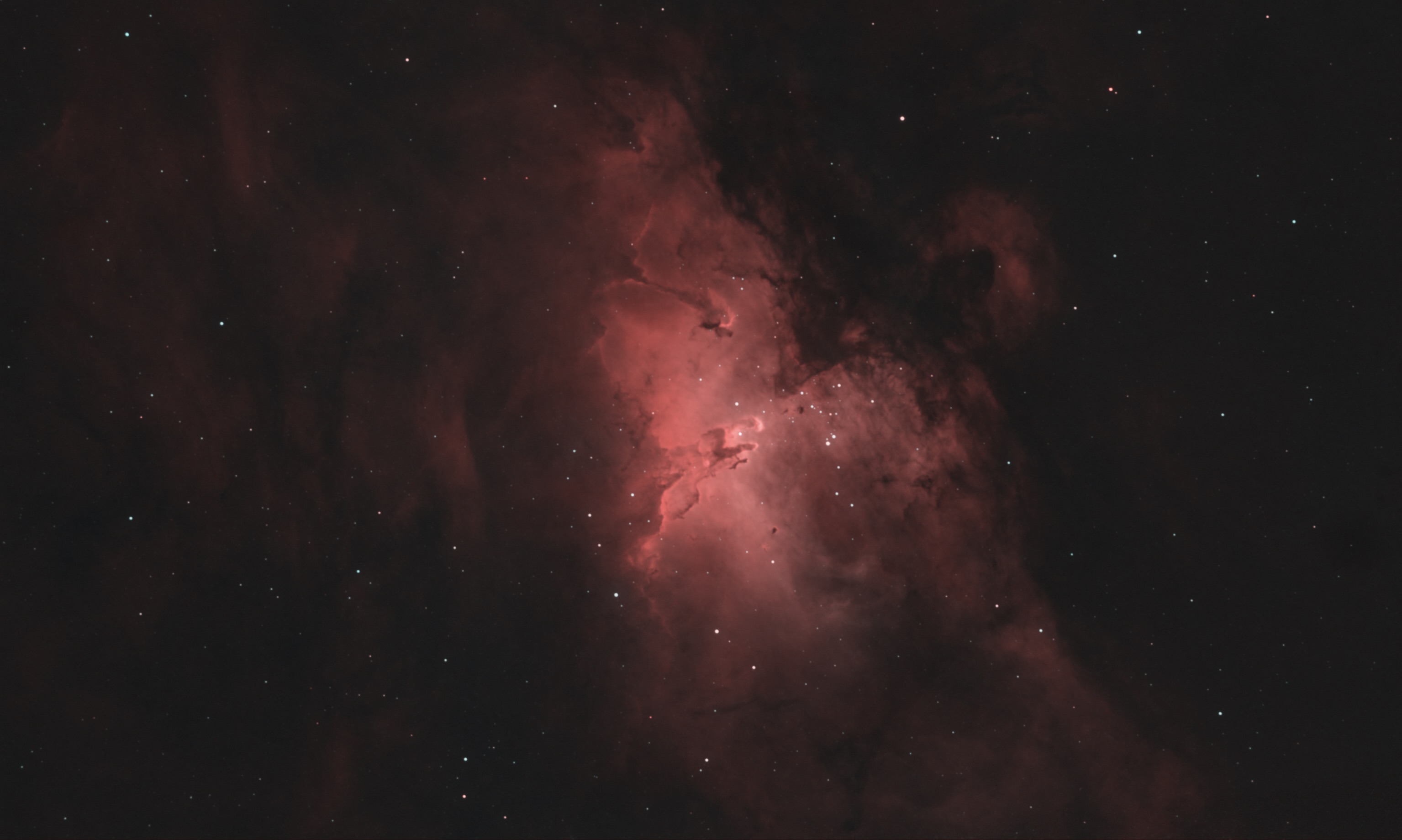
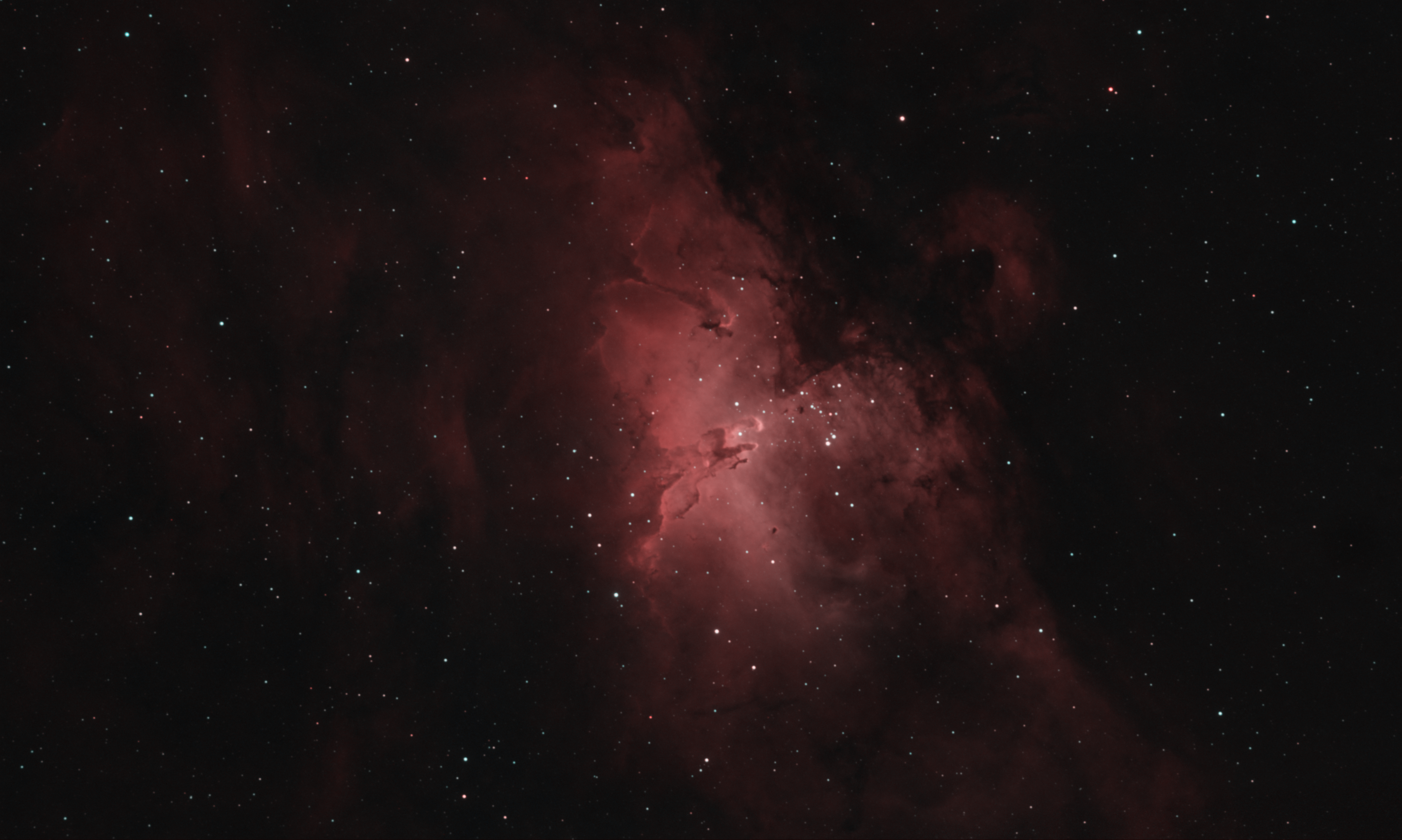
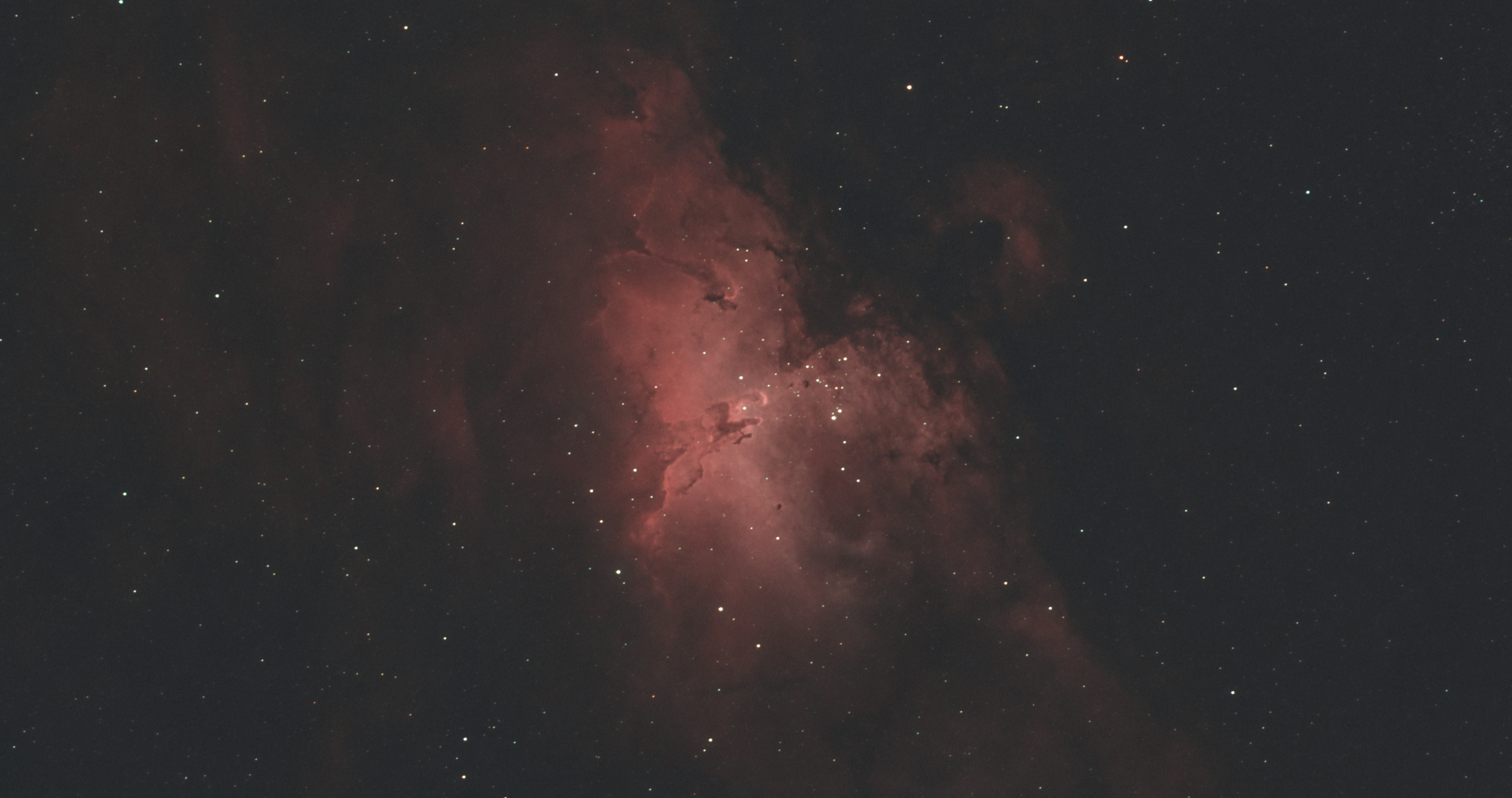
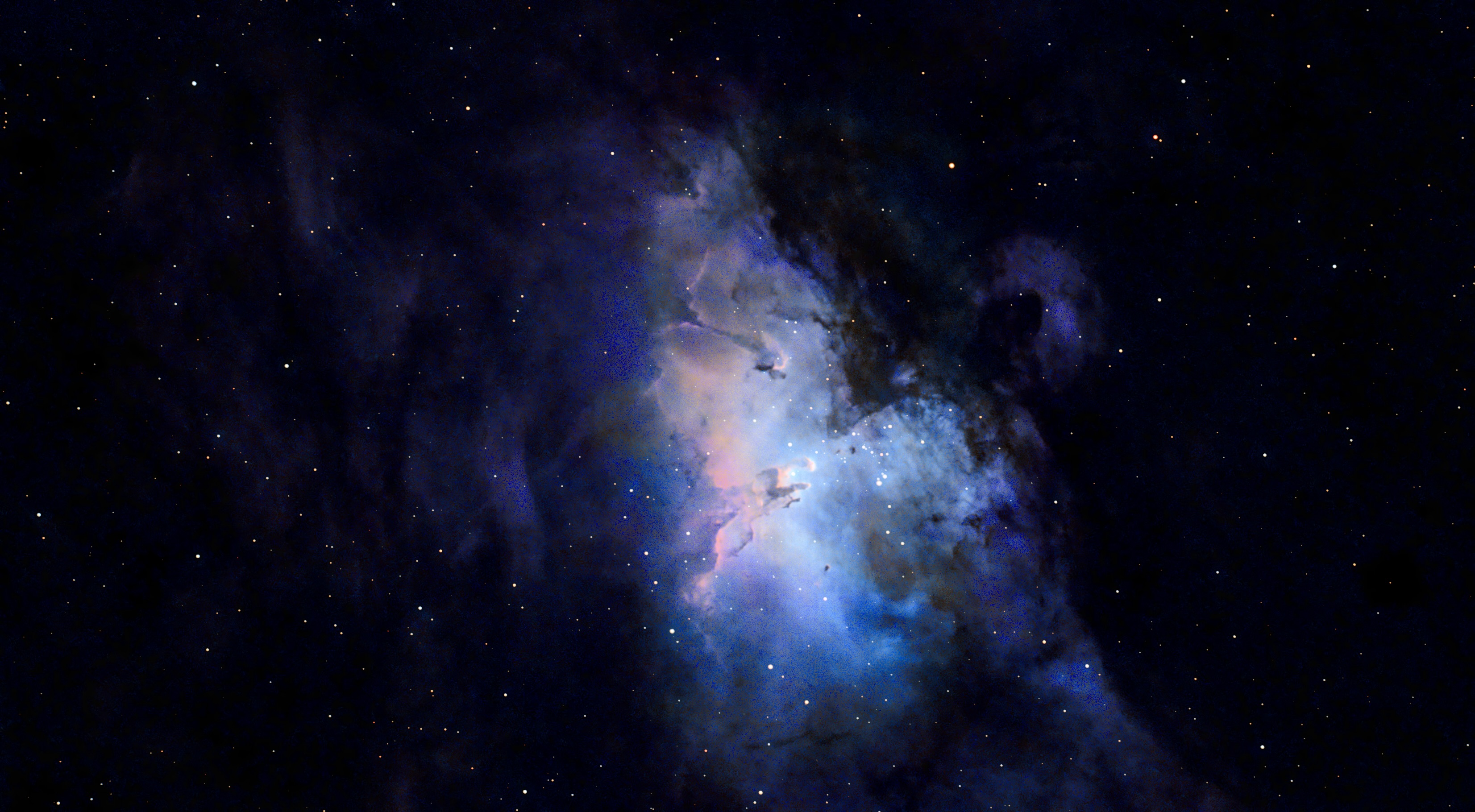
Here is another stacked and processed image of the Eagle Nebula. This one was approximately 10 hours of exposure.
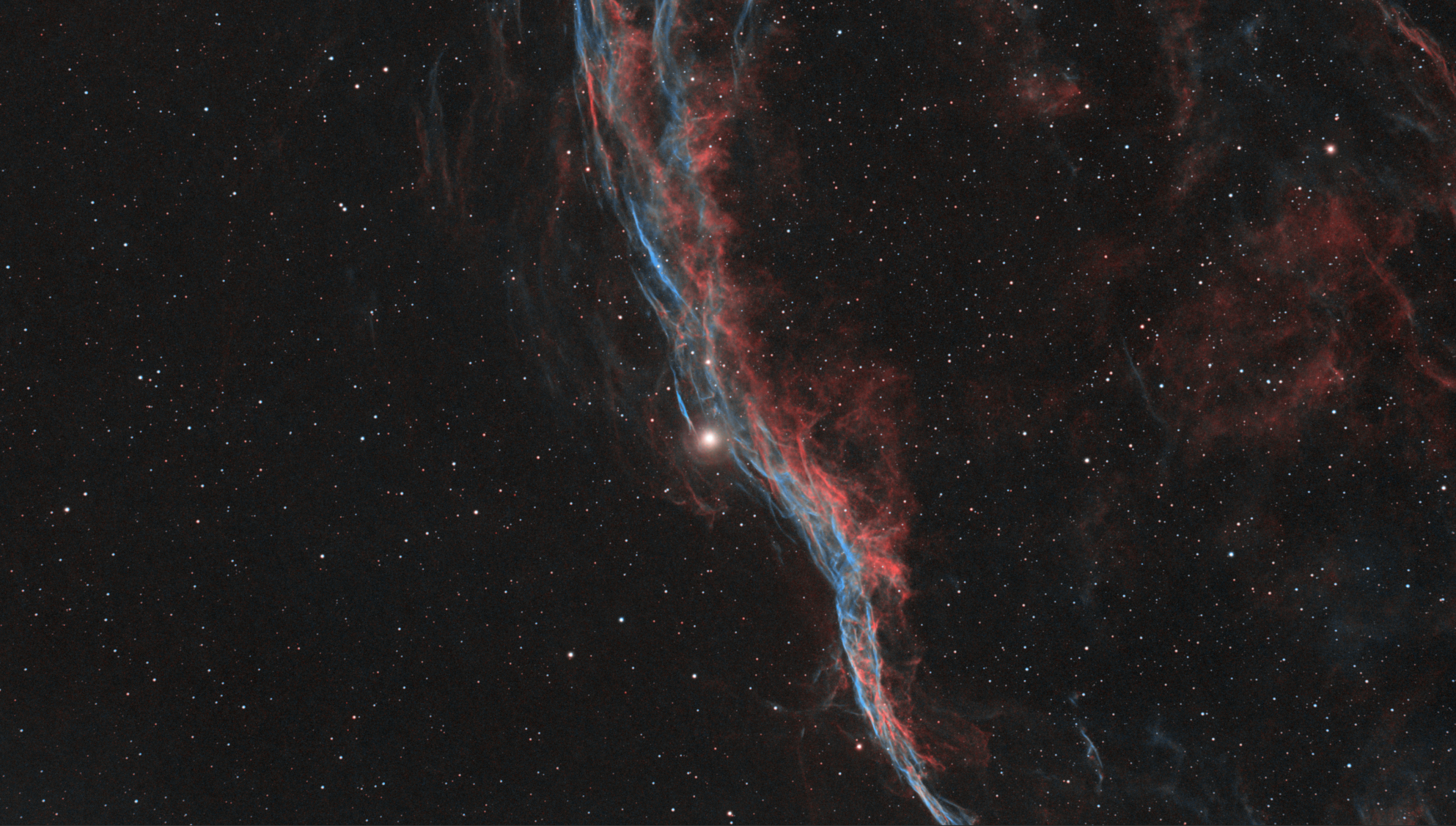
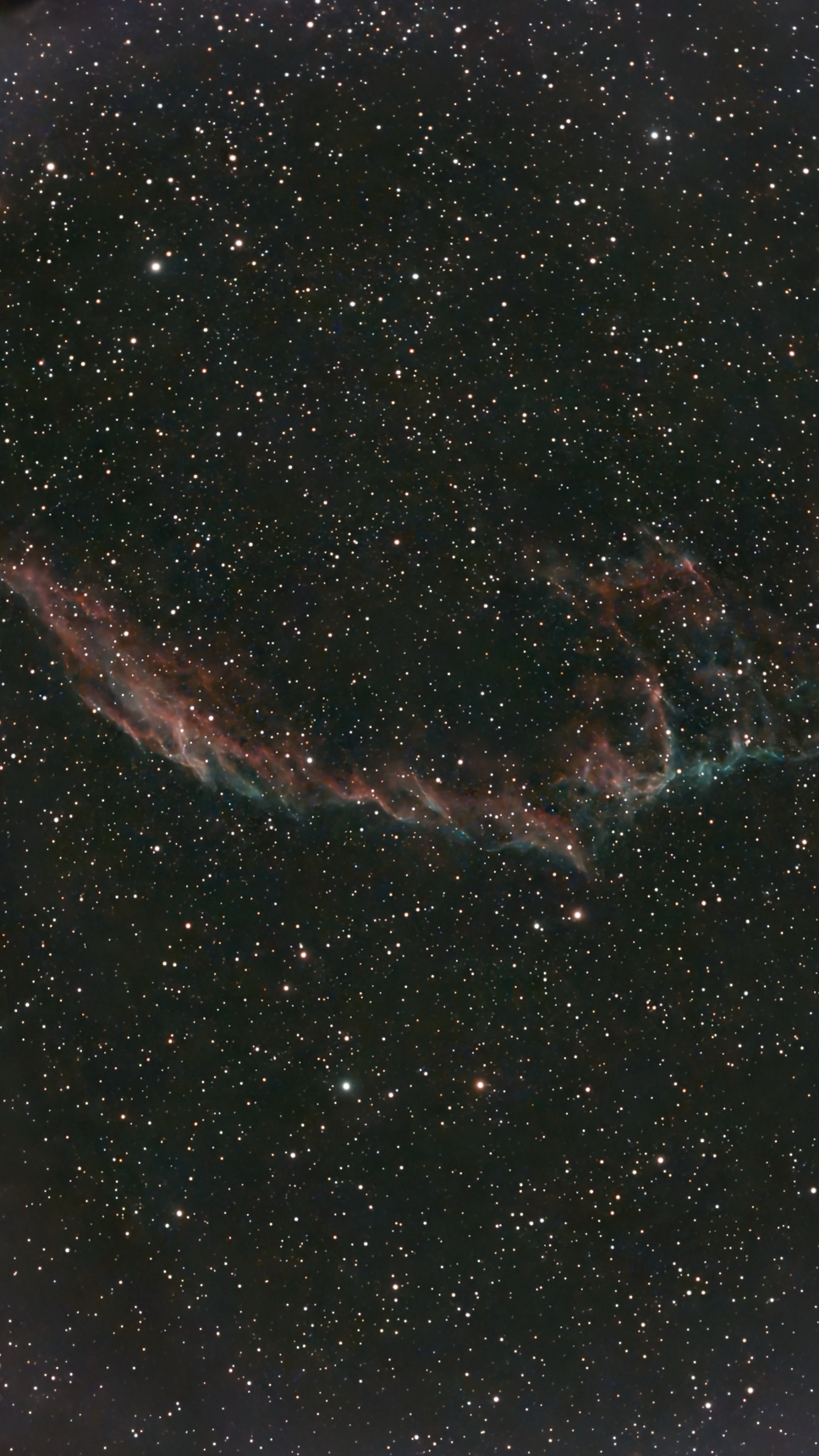
Here is an image of the Western Veil on the Veiled Nebula. This was around 4 hours of exposure.
C-27, known as the Crescent Nebula. This was shot with my ASI585MC Pro with 6 hours of exposure.
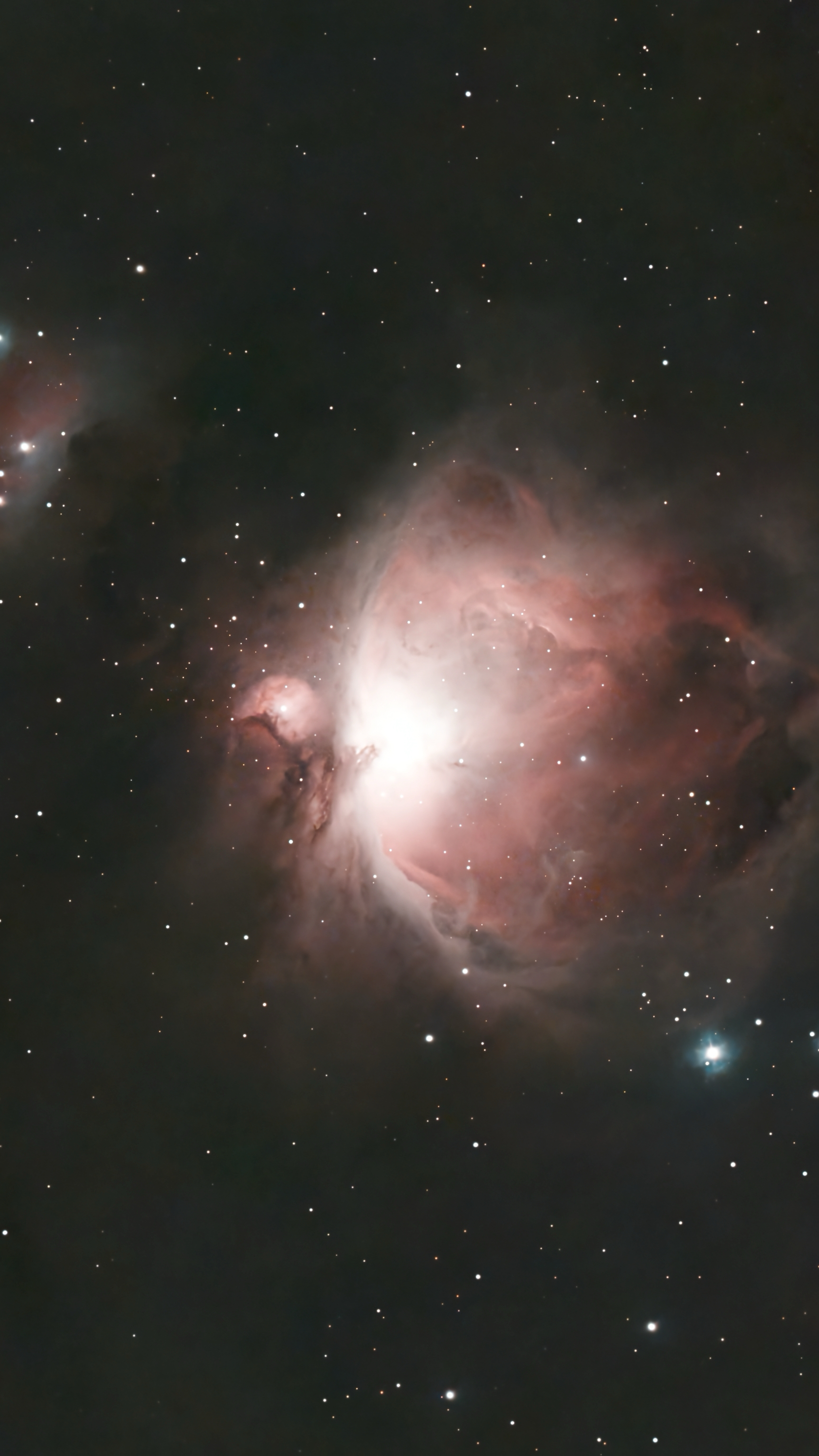
M42, the Orion Nebula, is a bright emission nebula and star-forming region in the constellation Orion, known since antiquity and cataloged by Charles Messier in 1771. It’s the nearest massive H II region to Earth, ionized by the young Trapezium Cluster of hot O-type stars, spanning ~65×60 arcminutes with glowing gas, dust lanes, and protoplanetary disks.
Apparent magnitude is 4.0. Distance from Earth is 1,344 light-years. Alternate name: Great Orion Nebula.
The newest image of M42 (Orion Nebula) has been added. The image was taken on 19 March 2026.
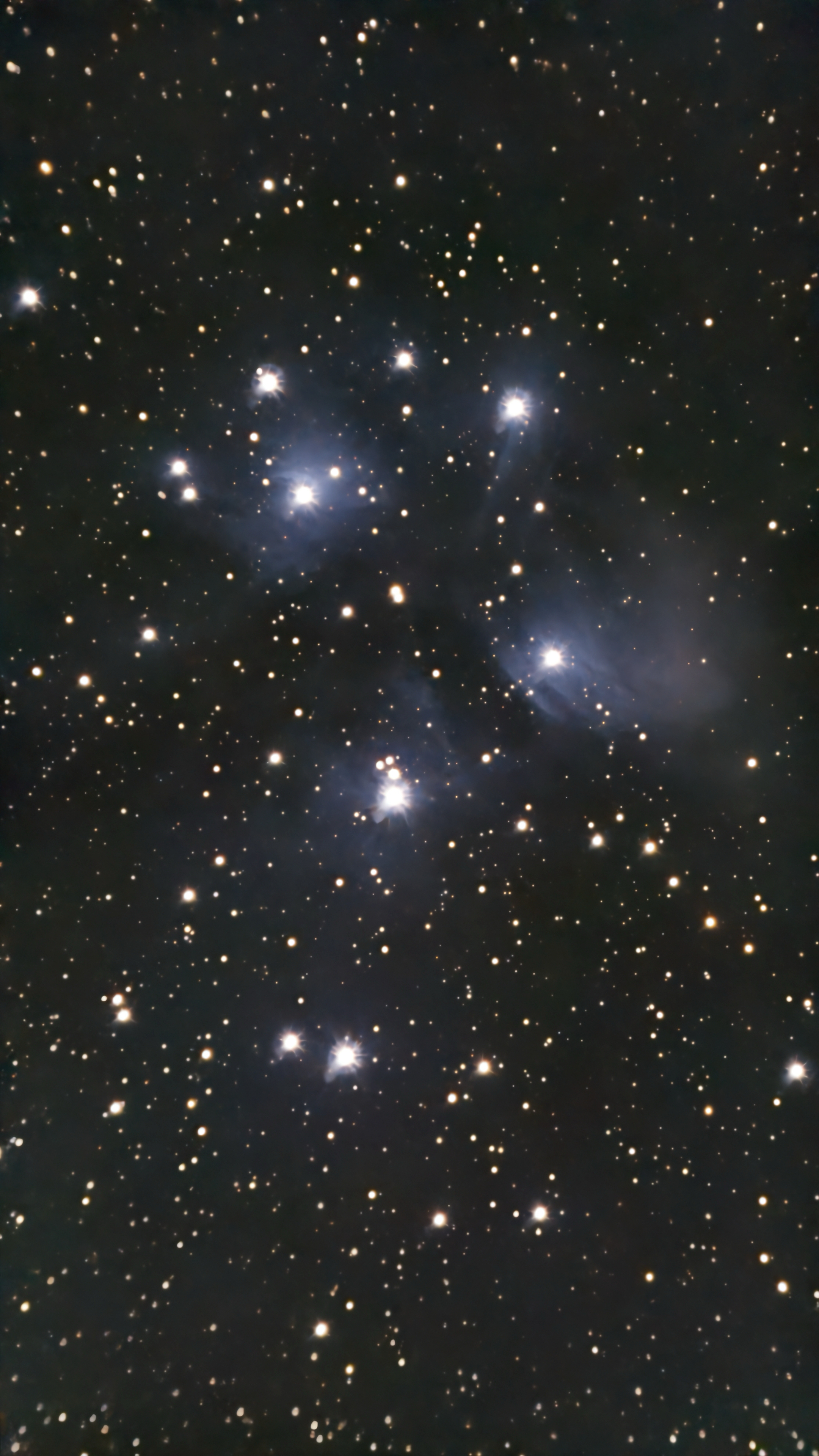
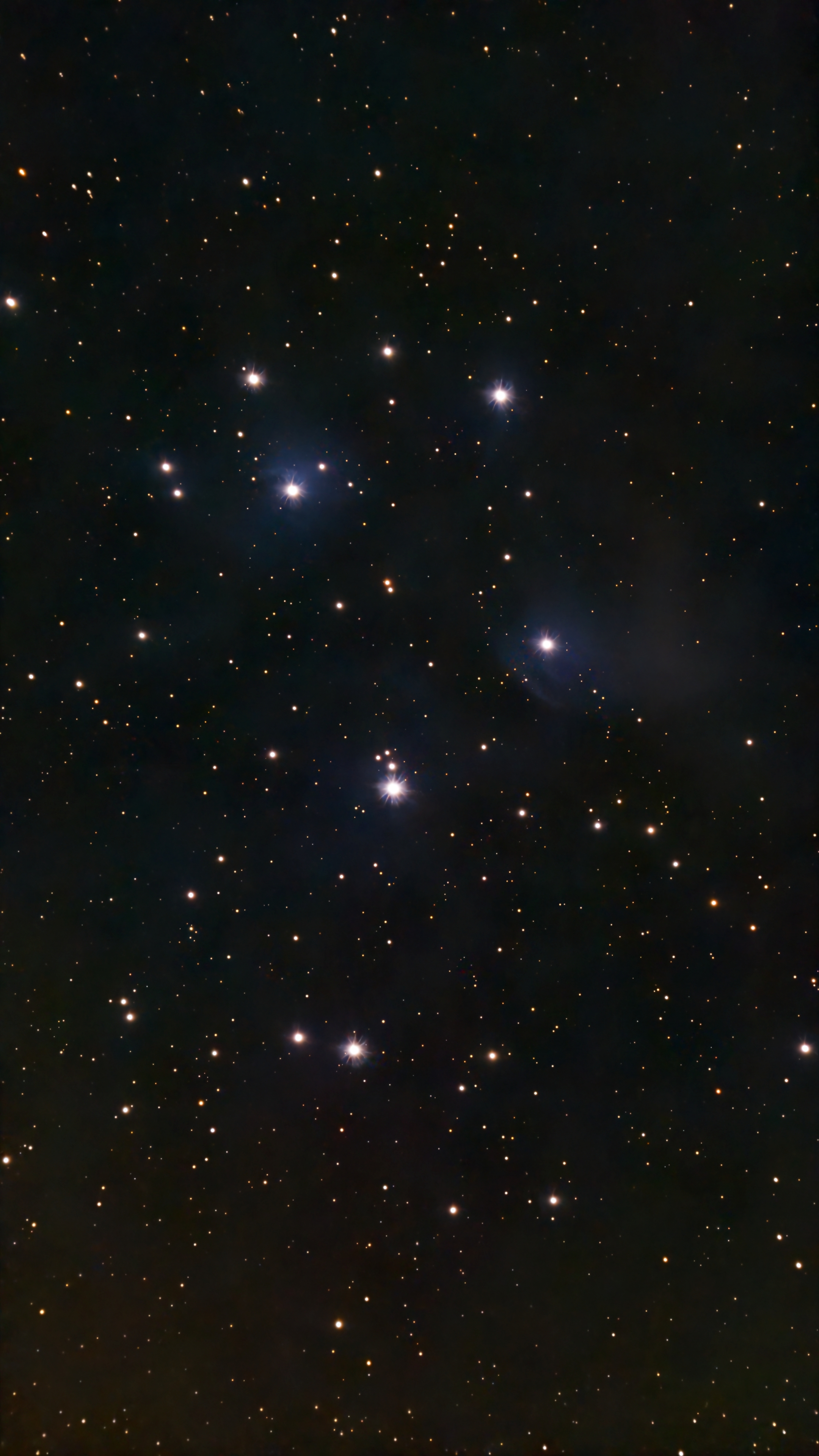
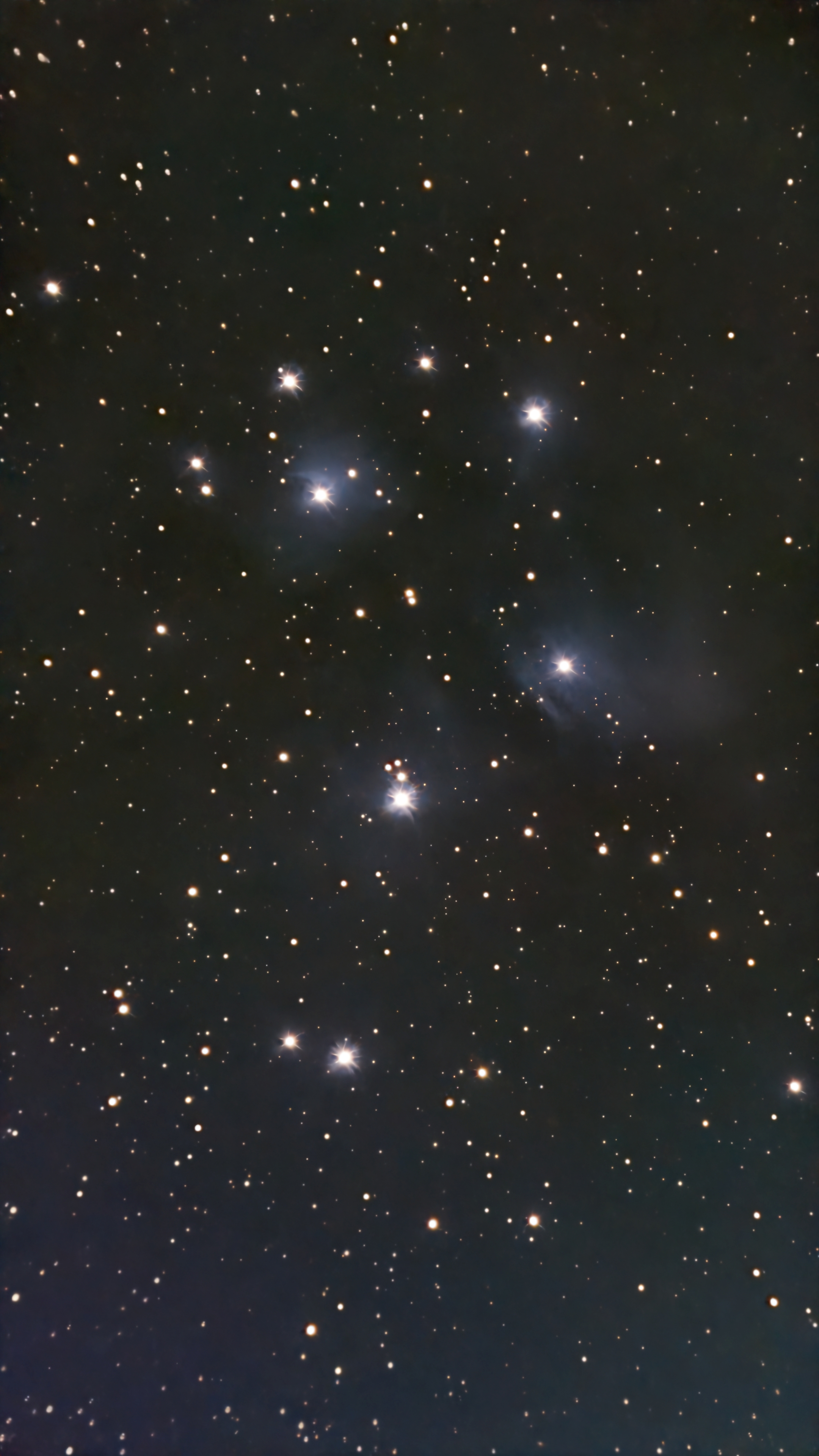
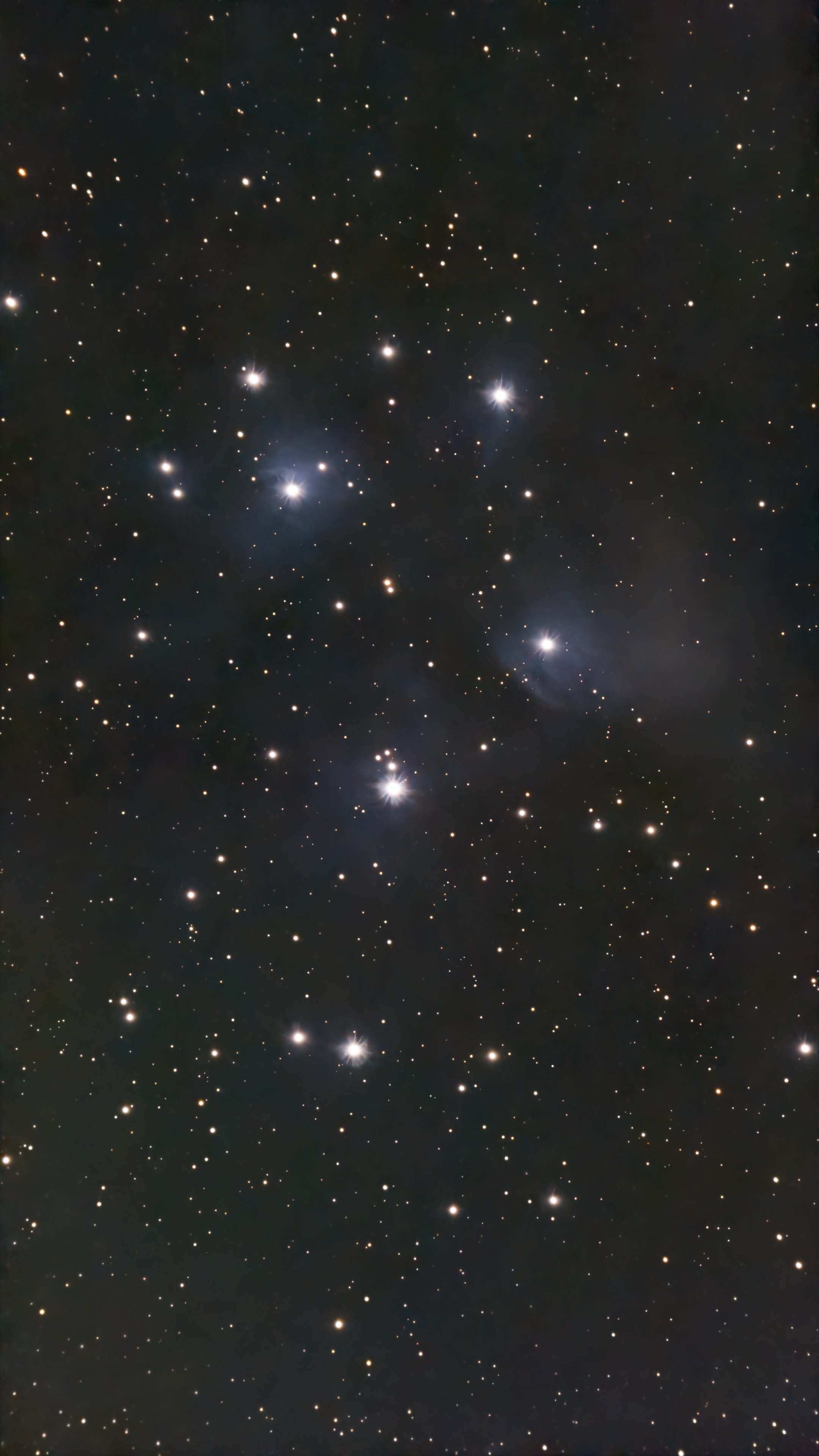
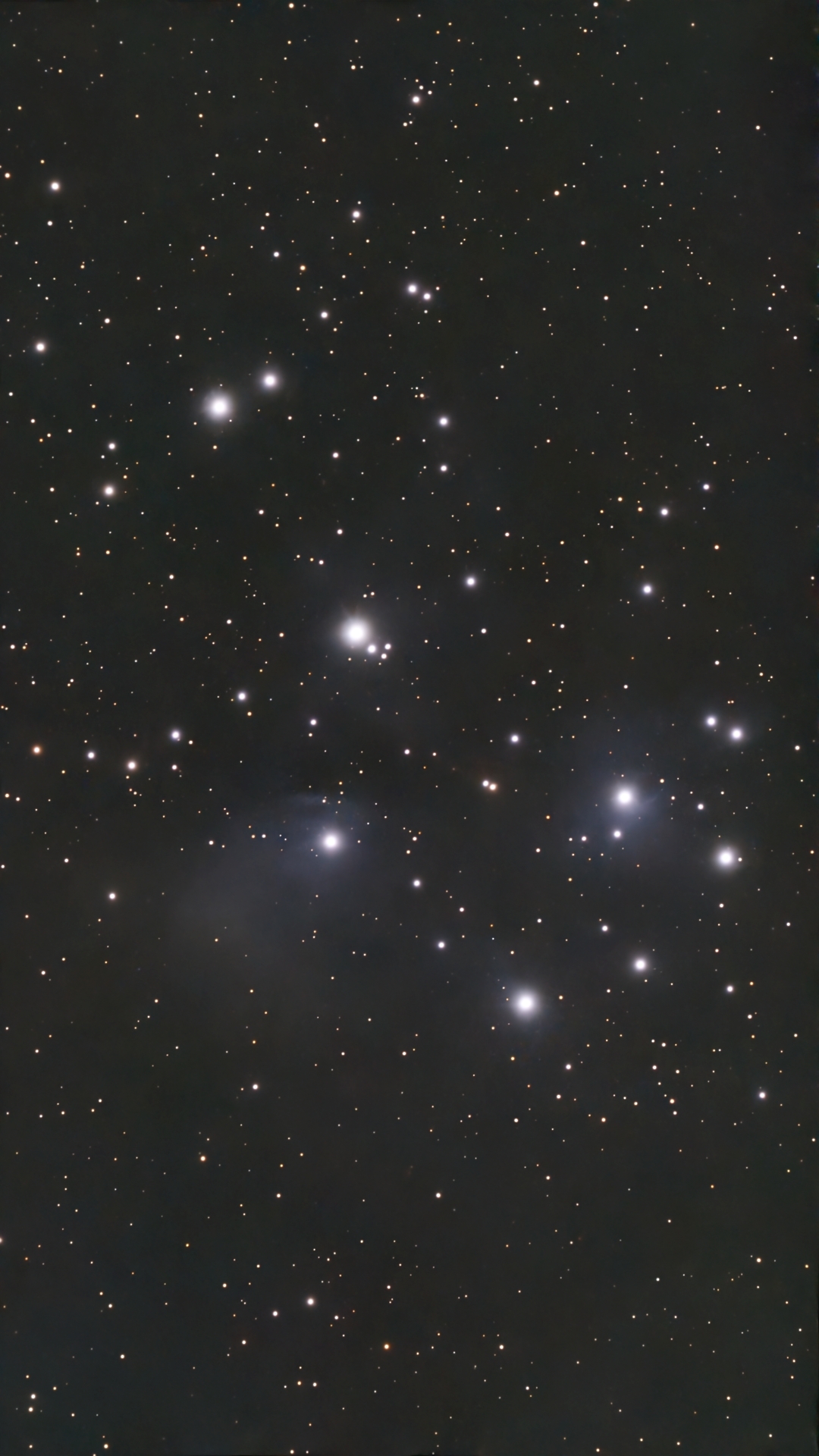
M45, the Pleiades, is an open star cluster in the constellation Taurus, known since antiquity and cataloged by Charles Messier in 1757. It’s an asterism of over 1,000 young hot B-type stars loosely bound by gravity, spanning 110 arcminutes and surrounded by reflection nebulae.
Apparent magnitude is 1.6. Distance from Earth is 444 light-years. Alternate names include Seven Sisters and Subaru (Japanese).
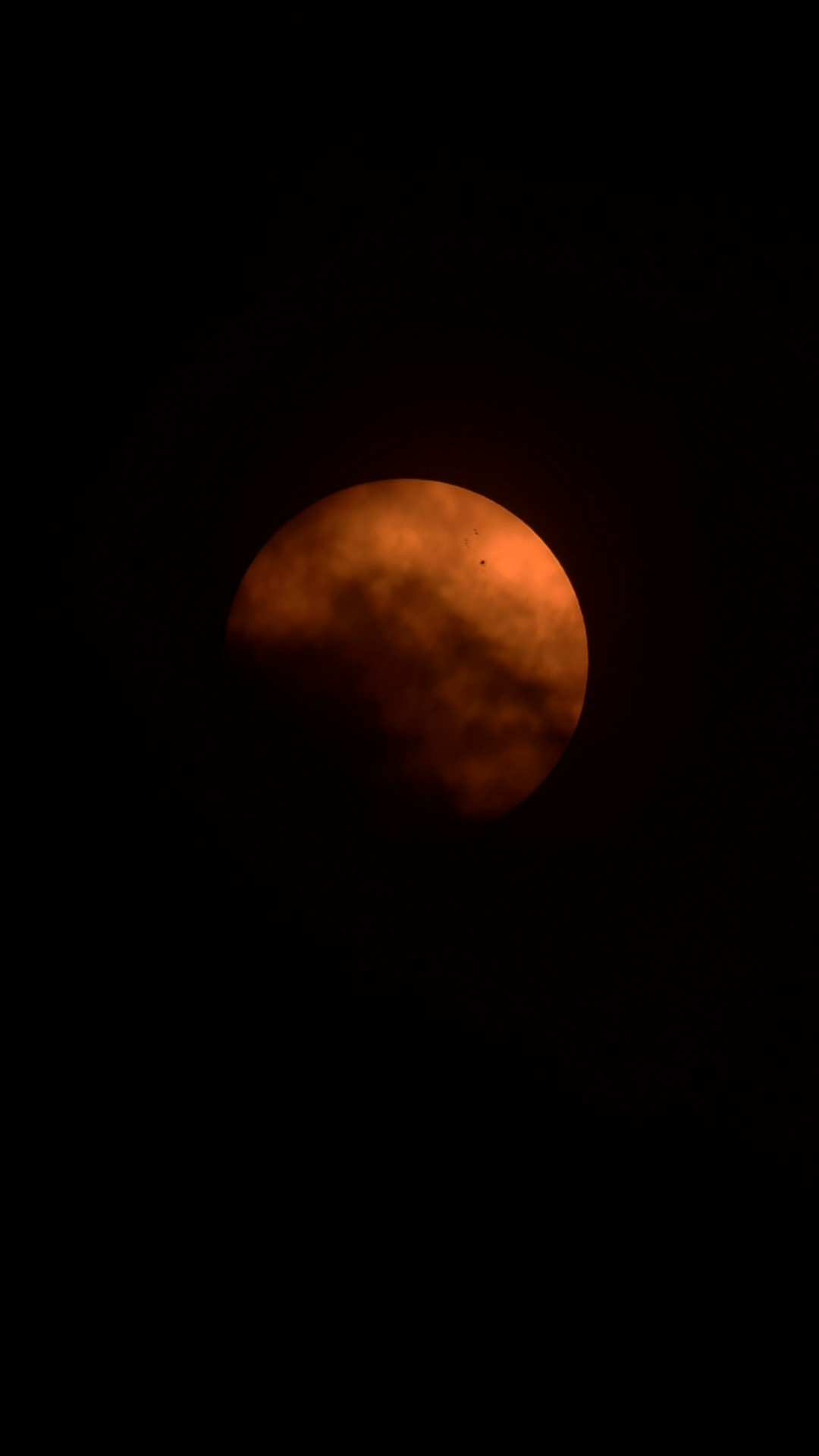
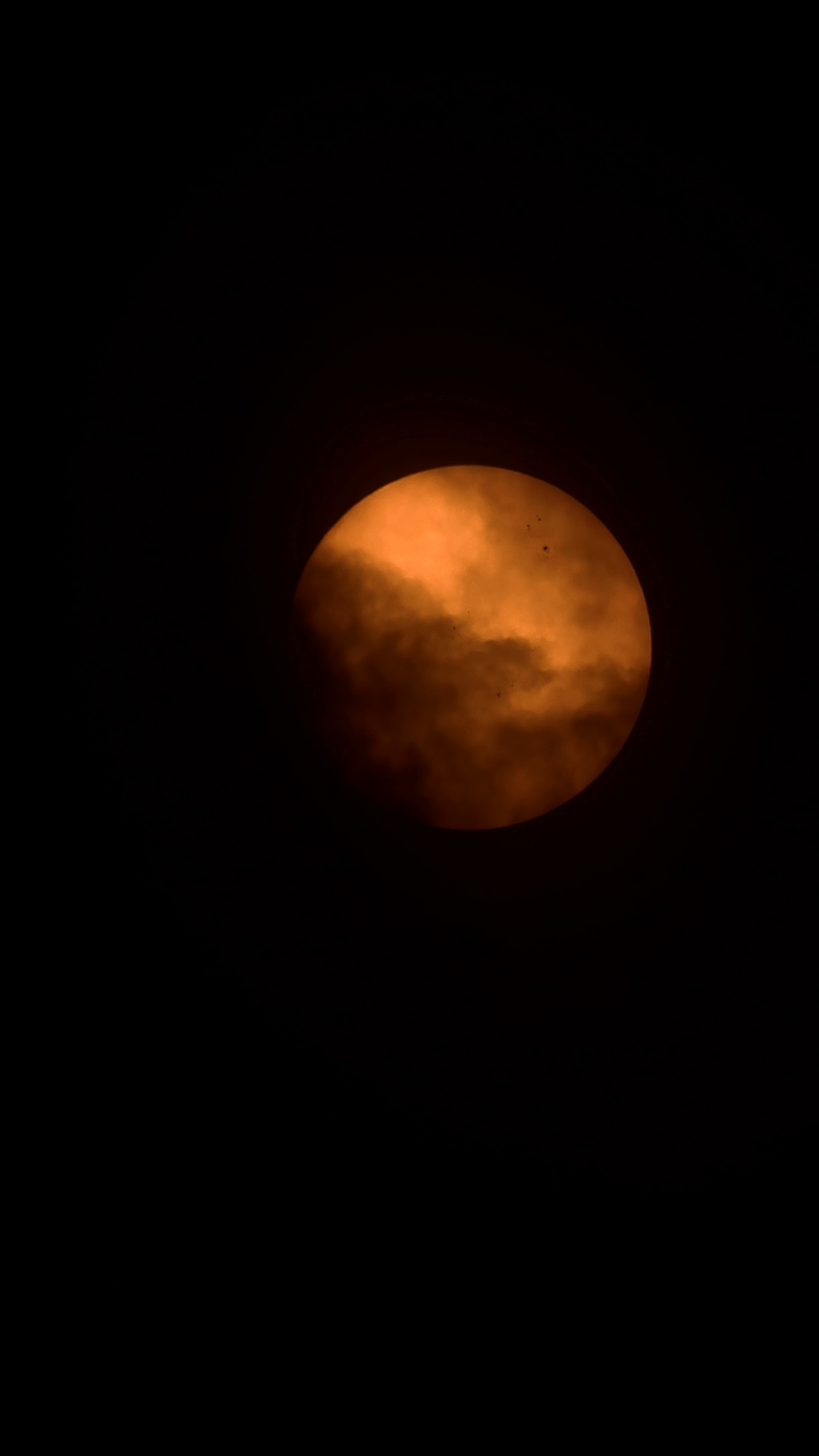
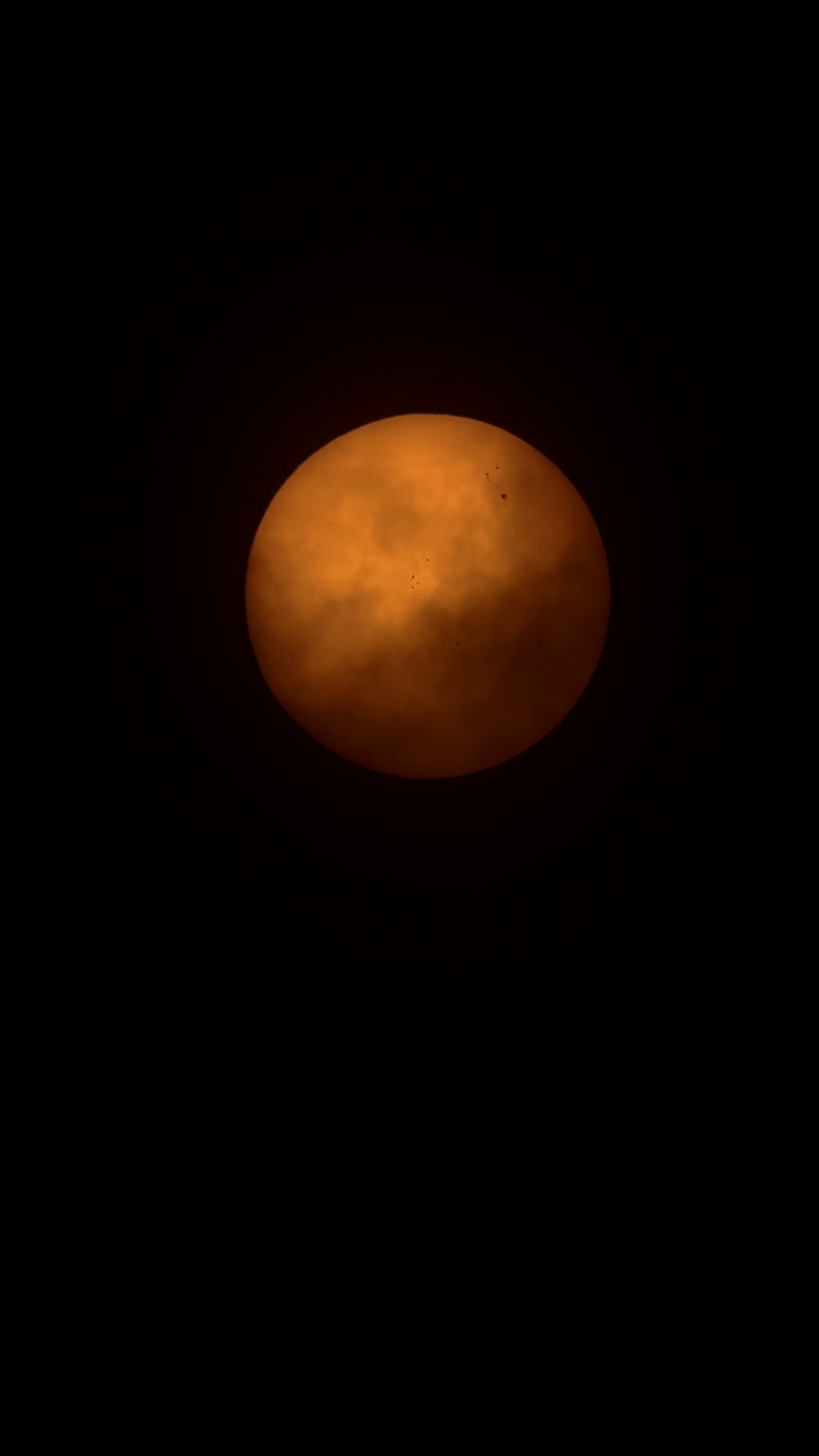
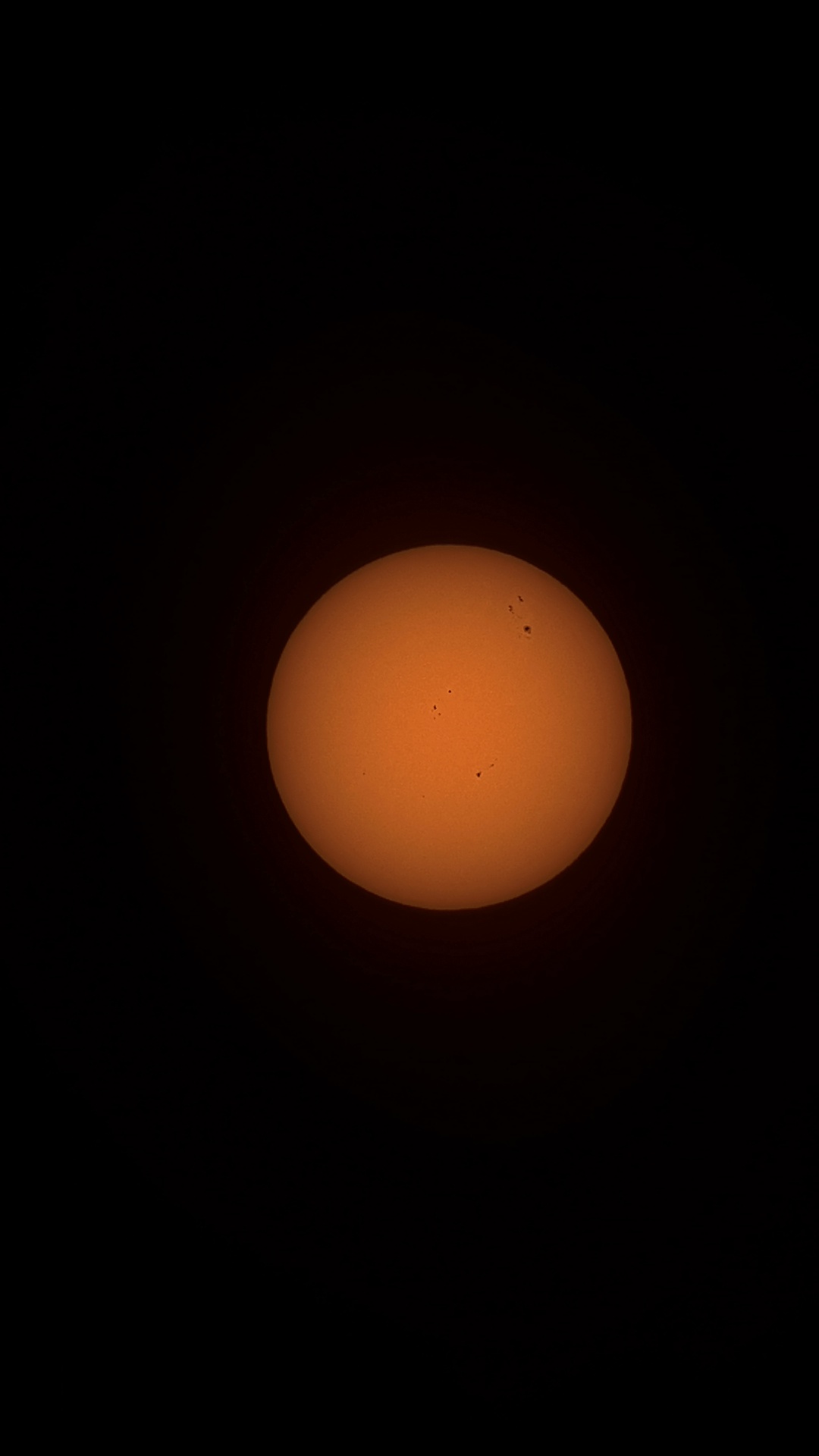
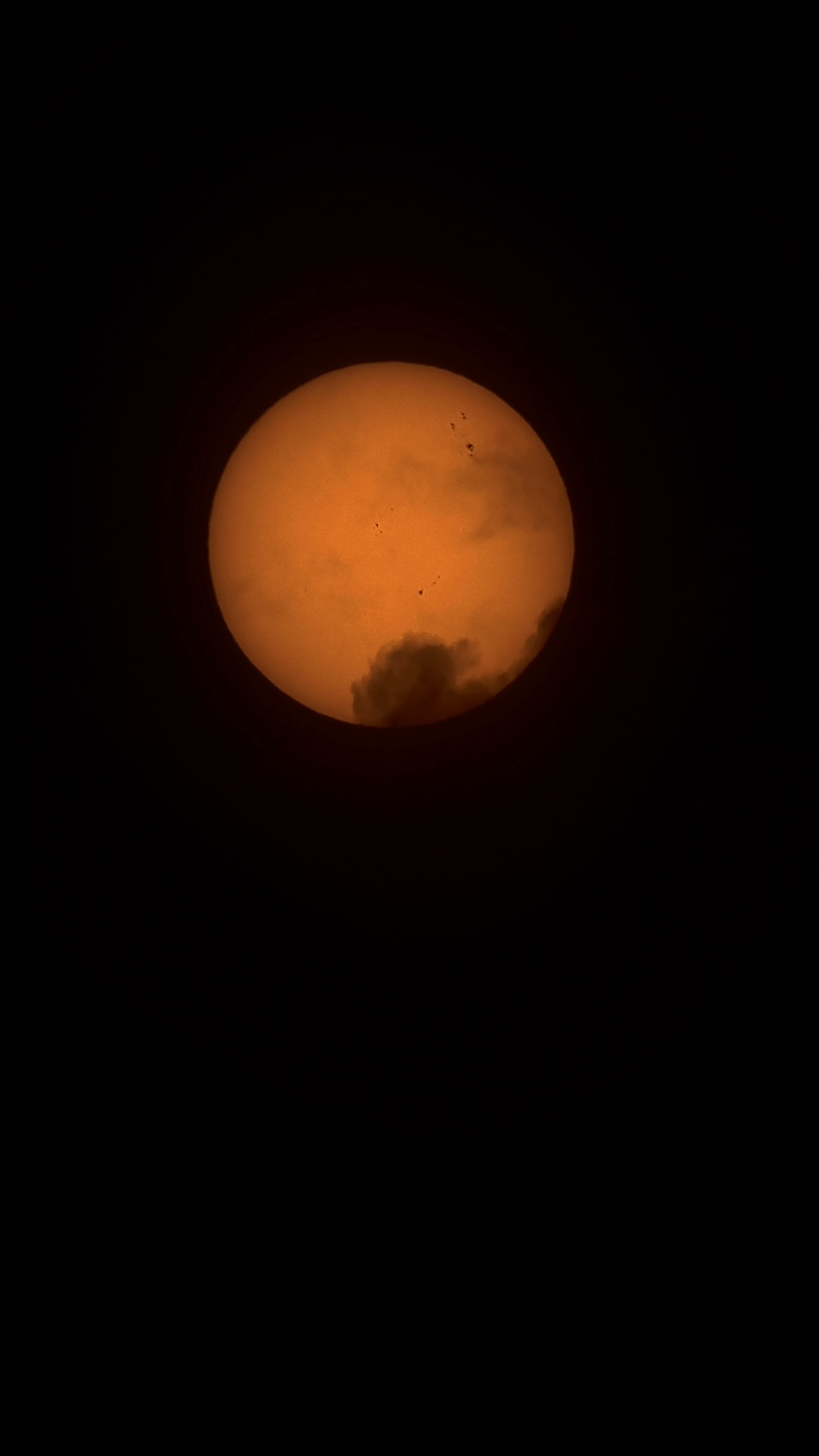
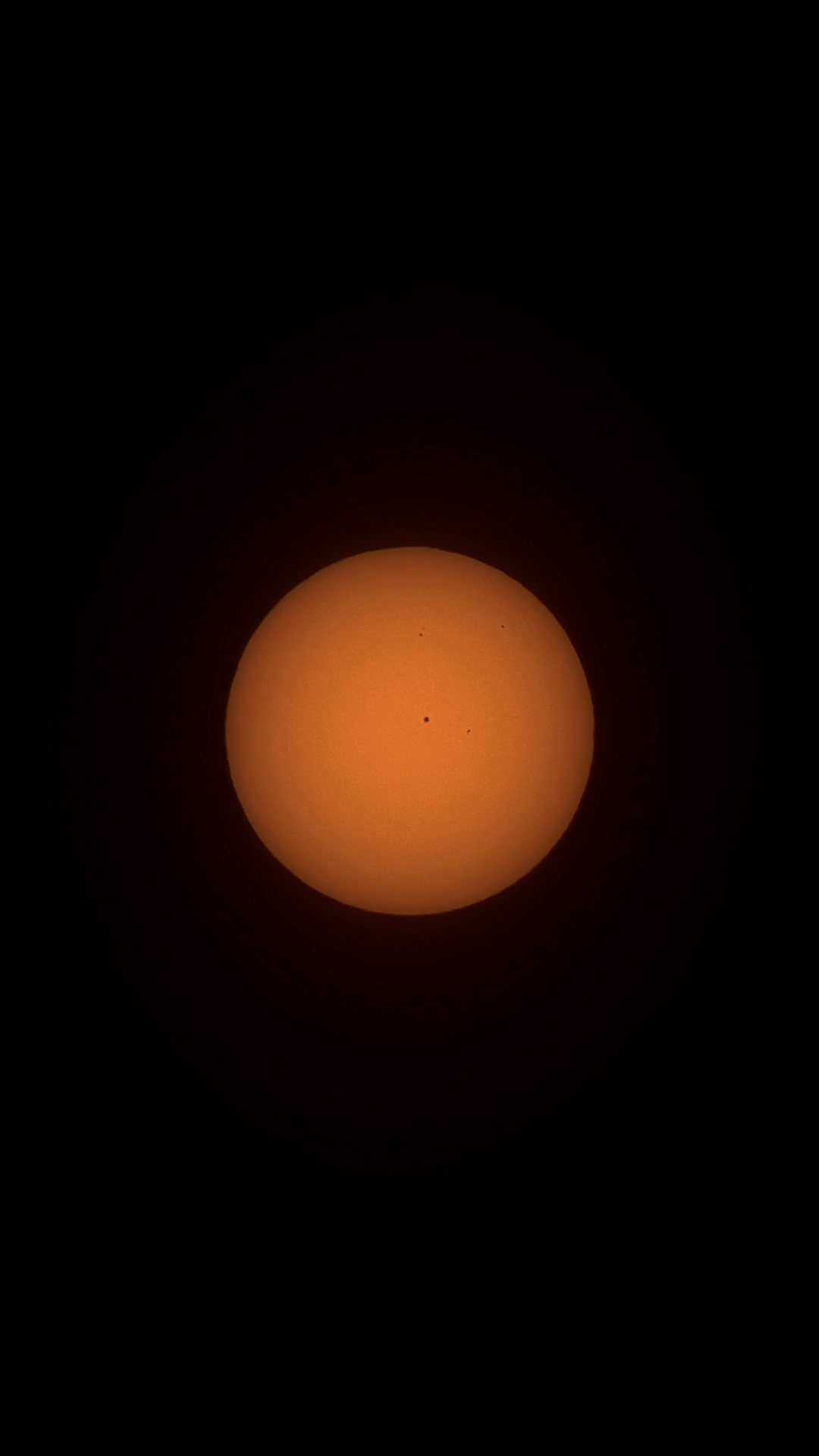
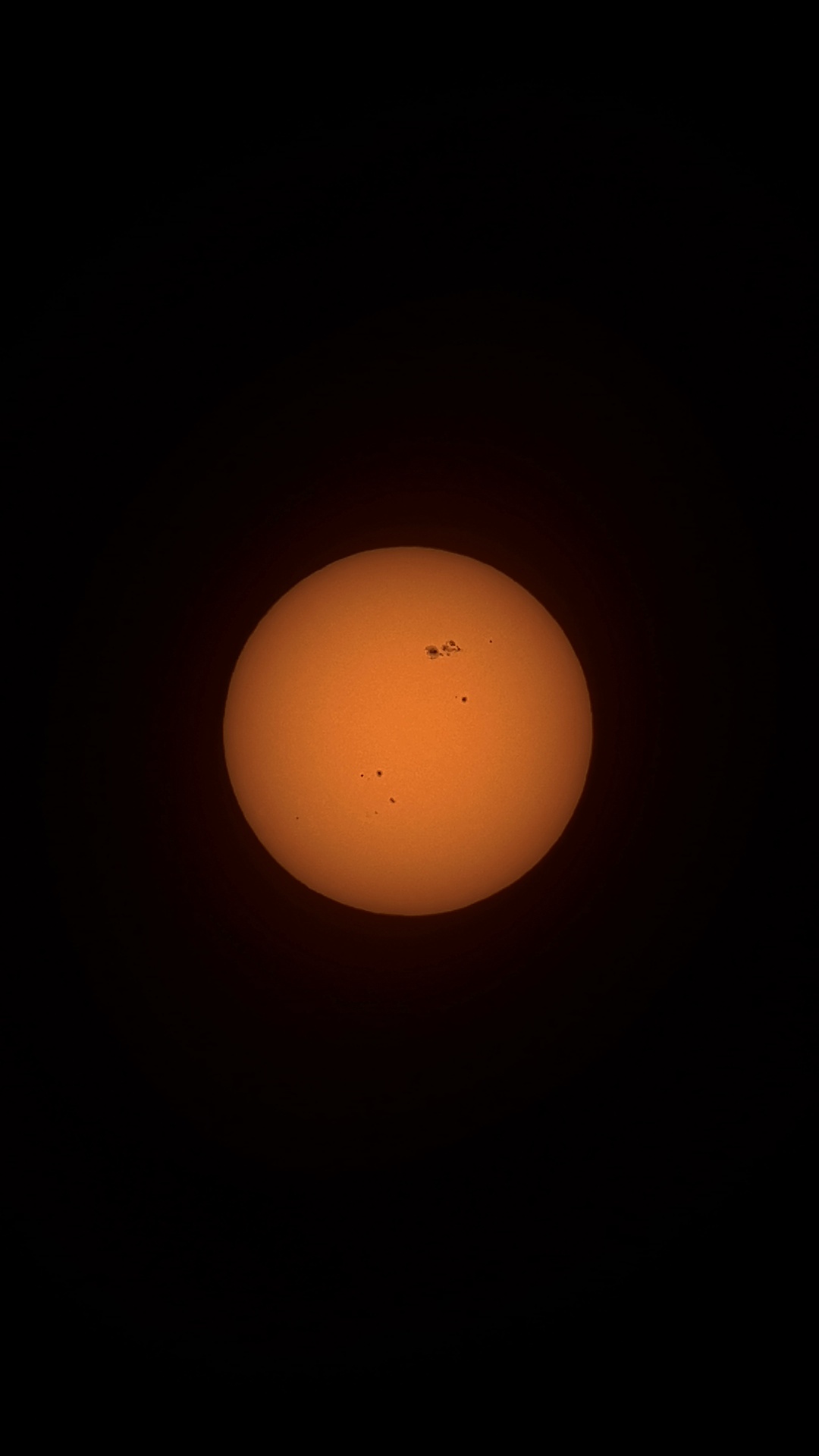
The Sun, also known as Sol, is the star at the center of our Solar System. It’s a G-type main-sequence star (yellow dwarf) approximately 4.6 billion years old. It powers life on Earth through nuclear fusion, converting hydrogen to helium in its core, and accounts for 99.8% of the Solar System’s total mass.
Its surface temperature reaches about 9,932°F, while the core is around 27 million°F. The average distance from Earth is 93 million miles, or 1 astronomical unit (AU). Alternate names include Helios (Greek) and Ra (Egyptian mythology).
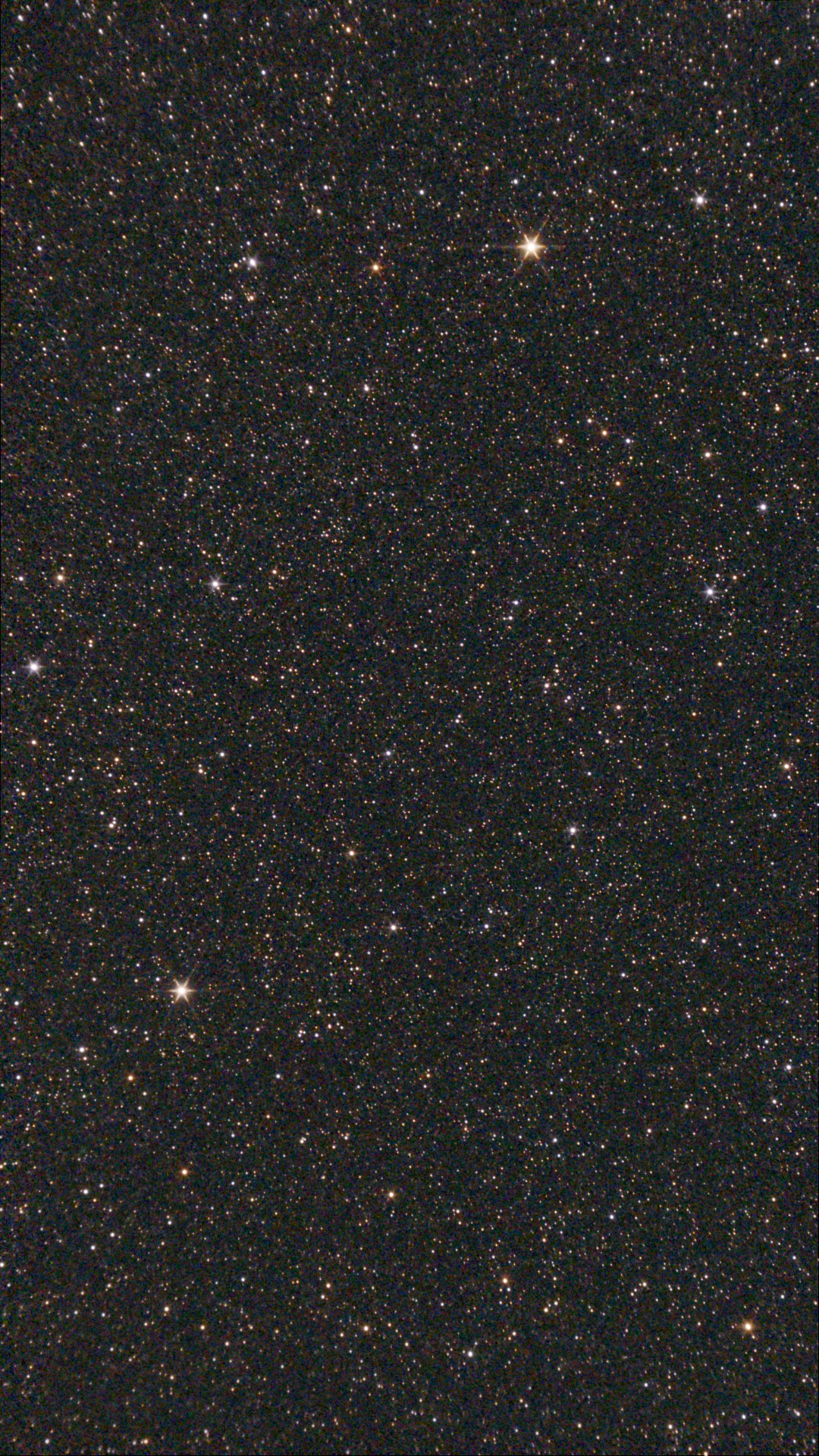
9 Cygni is a binary star system in the constellation Cygnus, consisting of a G8 IIIa red clump giant as the primary and an A2 V main-sequence as the secondary. Both are approximately 437 million years old. The primary fuses helium in its core, while the secondary is evolving off the main sequence. There is a combined apparent magnitude is 5.39.
The primary has 2.9 solar masses, a radius of 18.2 solar radii, and surface temperature of 8,625°F.
The secondary has 2.7 solar masses, radius of 3.5 solar radii, and surface temperature of 16,185°F.
The average distance from Earth is 594 light-years. Alternate names include HD 184759 (primary), HD 184760 (secondary), HIP 96302, and HR 7441.
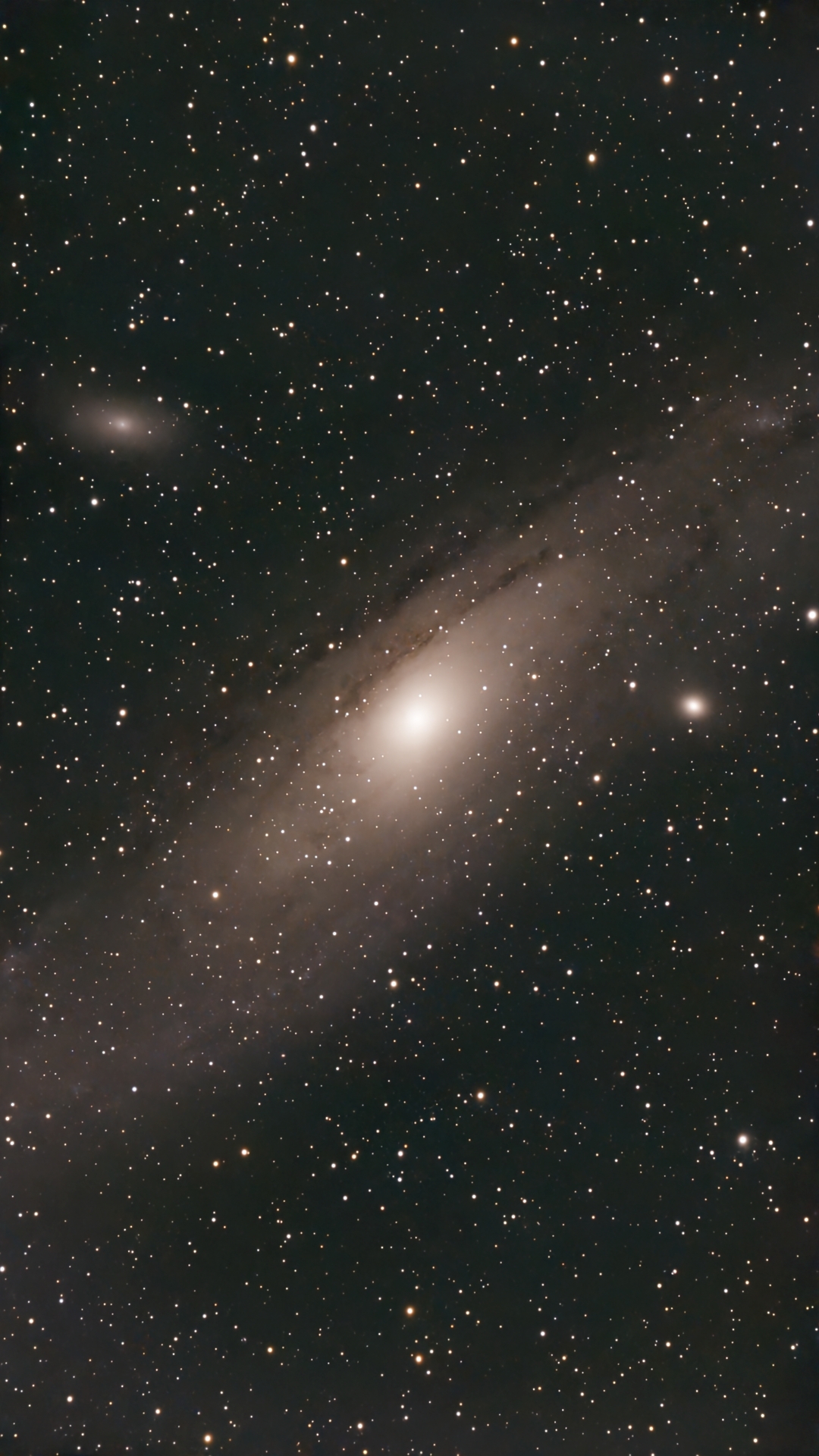
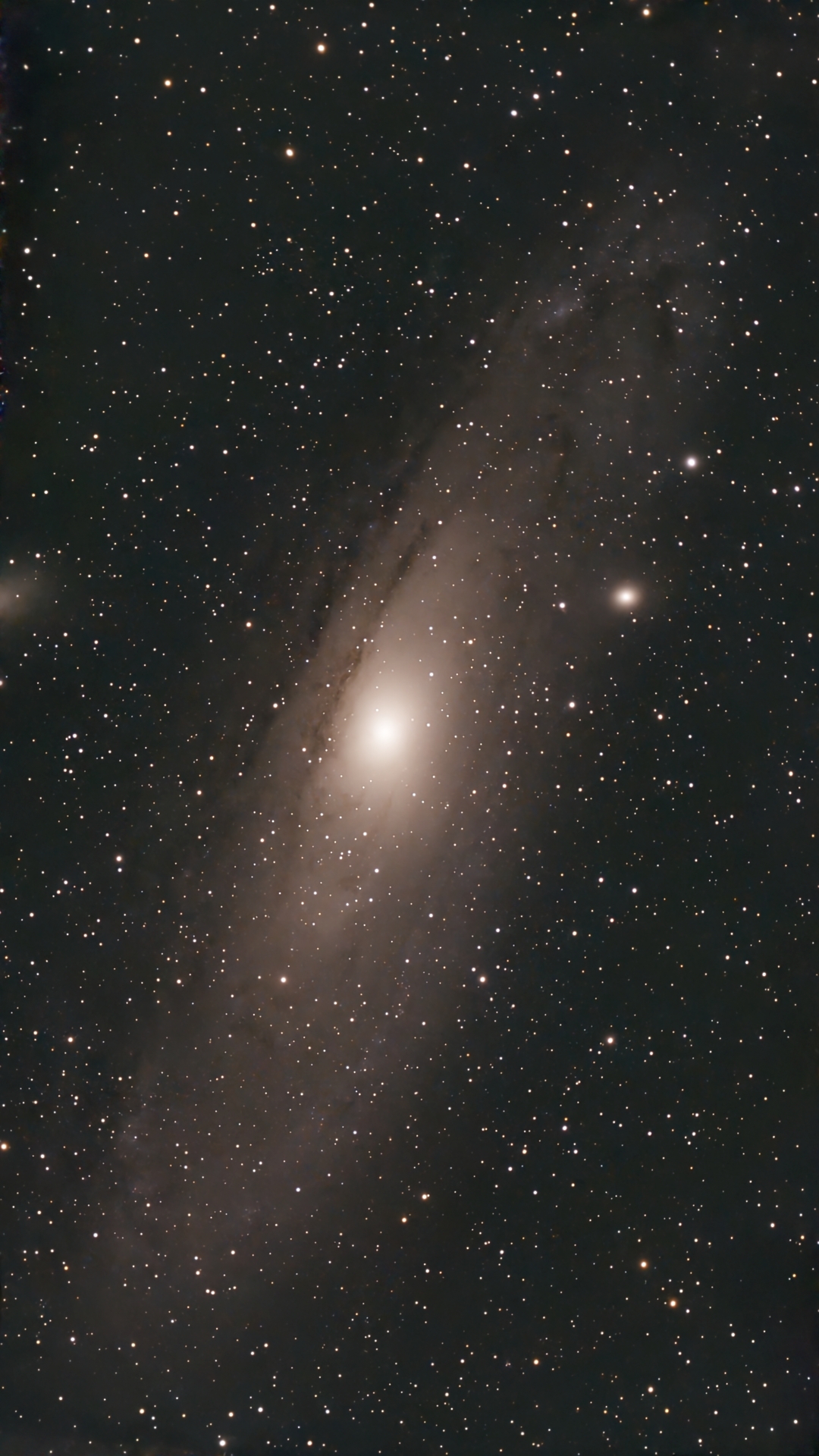
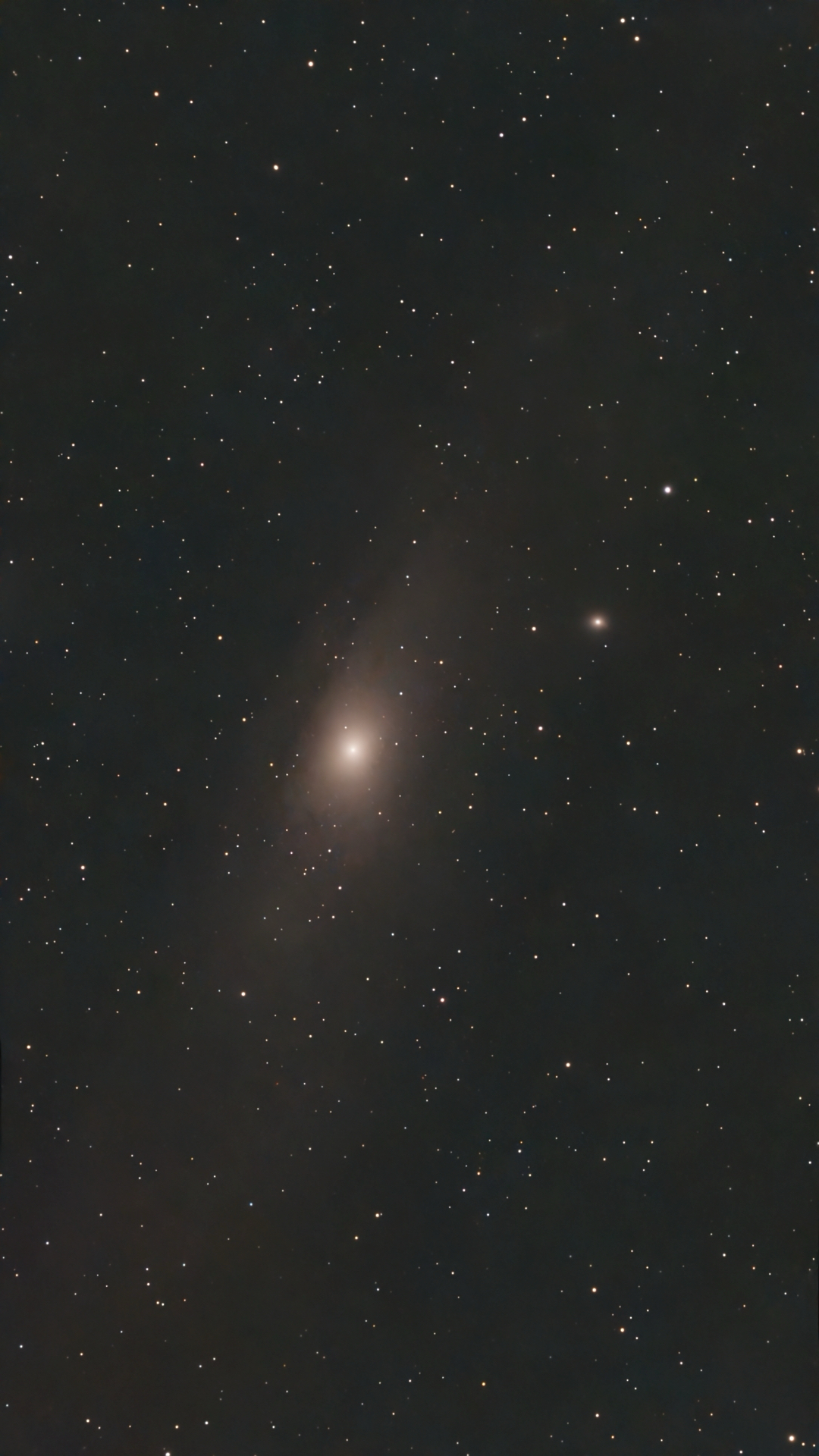
M31, known as NGC 224 or the Andromeda Galaxy, is a barred spiral galaxy in the constellation Andromeda, discovered in 1764. It’s the nearest major galaxy to the Milky Way at about 2.5 million light-years away, with a diameter of roughly 220,000 light-years and a central supermassive black hole.Apparent magnitude is 3.4. Distance from Earth is 2.5 million light-years.
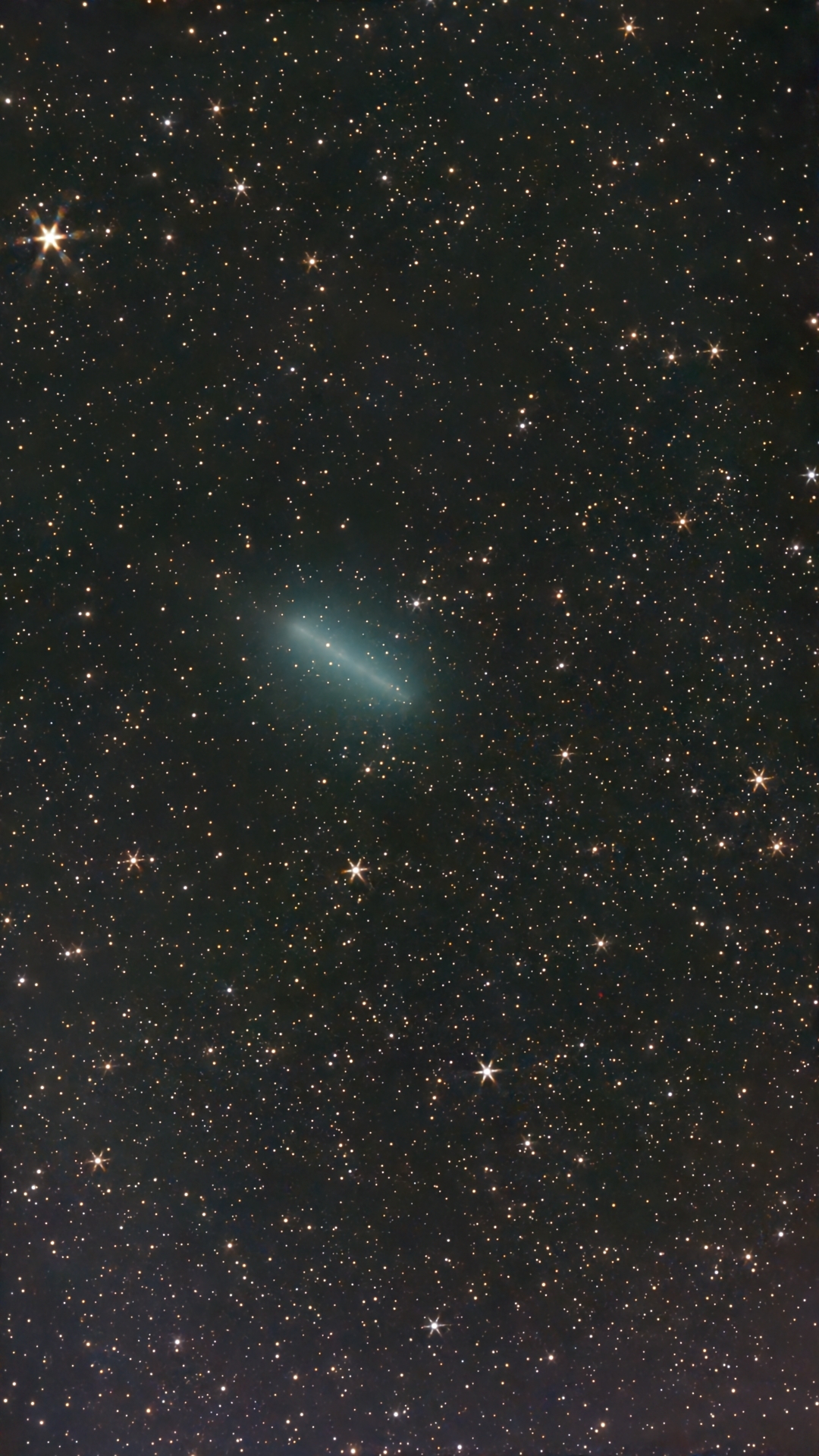
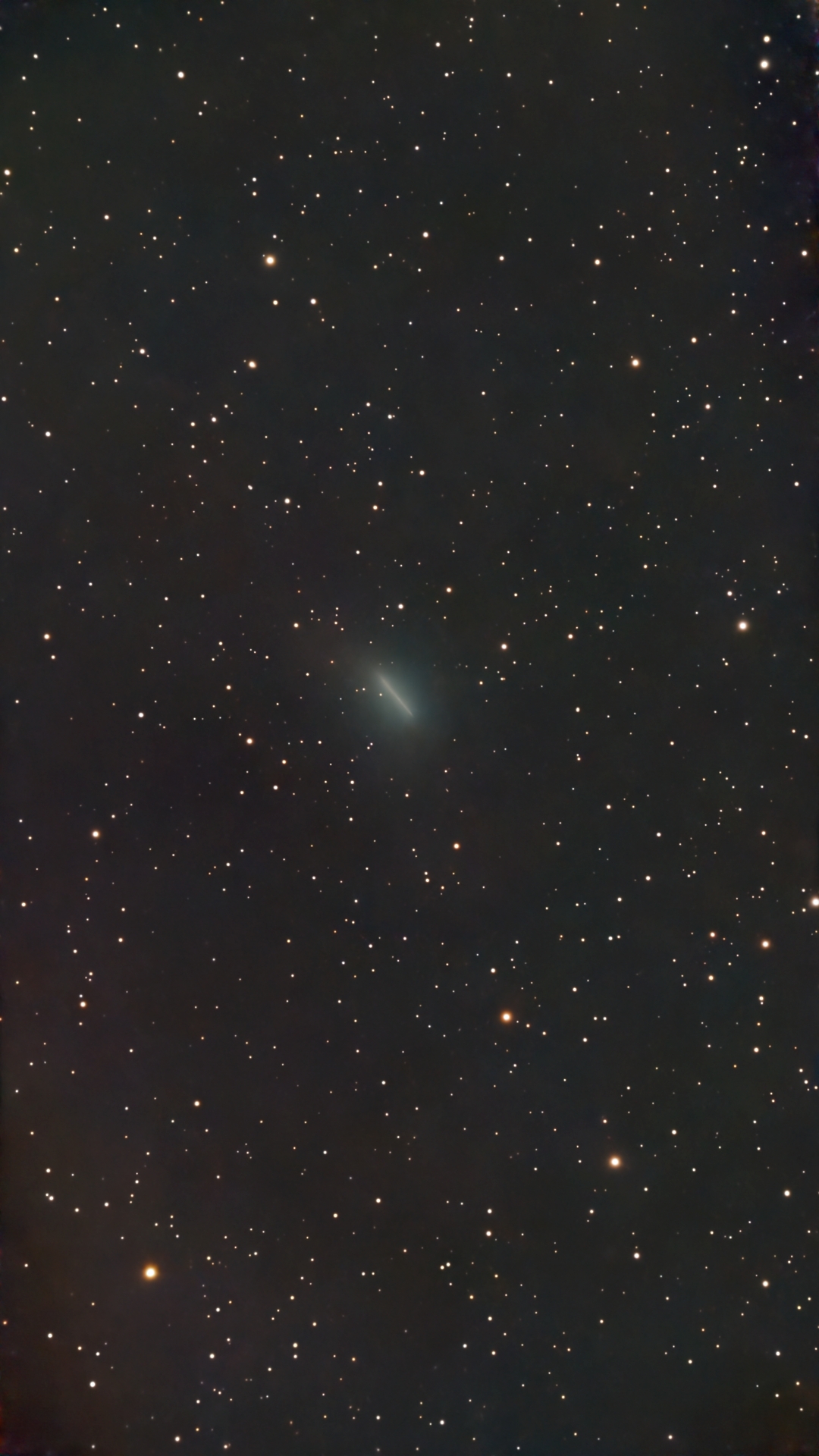
C/2025 R2 (SWAN), also known as SWAN25B and SWAN R2, is a non-periodic long-period comet discovered on September 10, 2025, by Ukrainian amateur astronomer Vladimir Bezugly using SOHO’s SWAN instrument. It’s the 20th comet found by this tool and reached perihelion on September 12 at 0.5 AU from the Sun, featuring a greenish coma and a tail up to 2.5 degrees long; its nucleus fragmented around mid-October, splitting into two pieces.
The apparent magnitude peaked around 6.1 but has faded to about 8.0. The closest approach to Earth was 0.43 AU on October 20, 2025; current distance is approximately 1.0 AU.
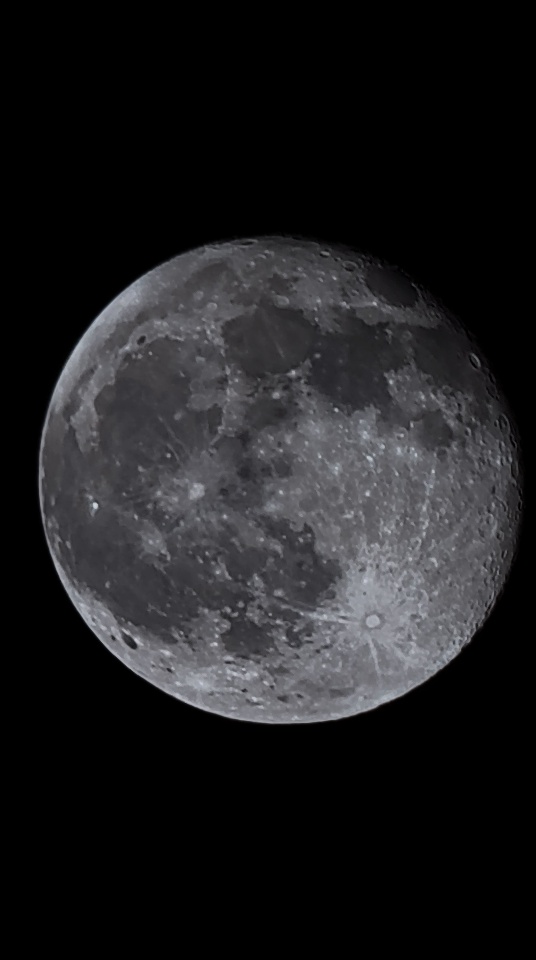
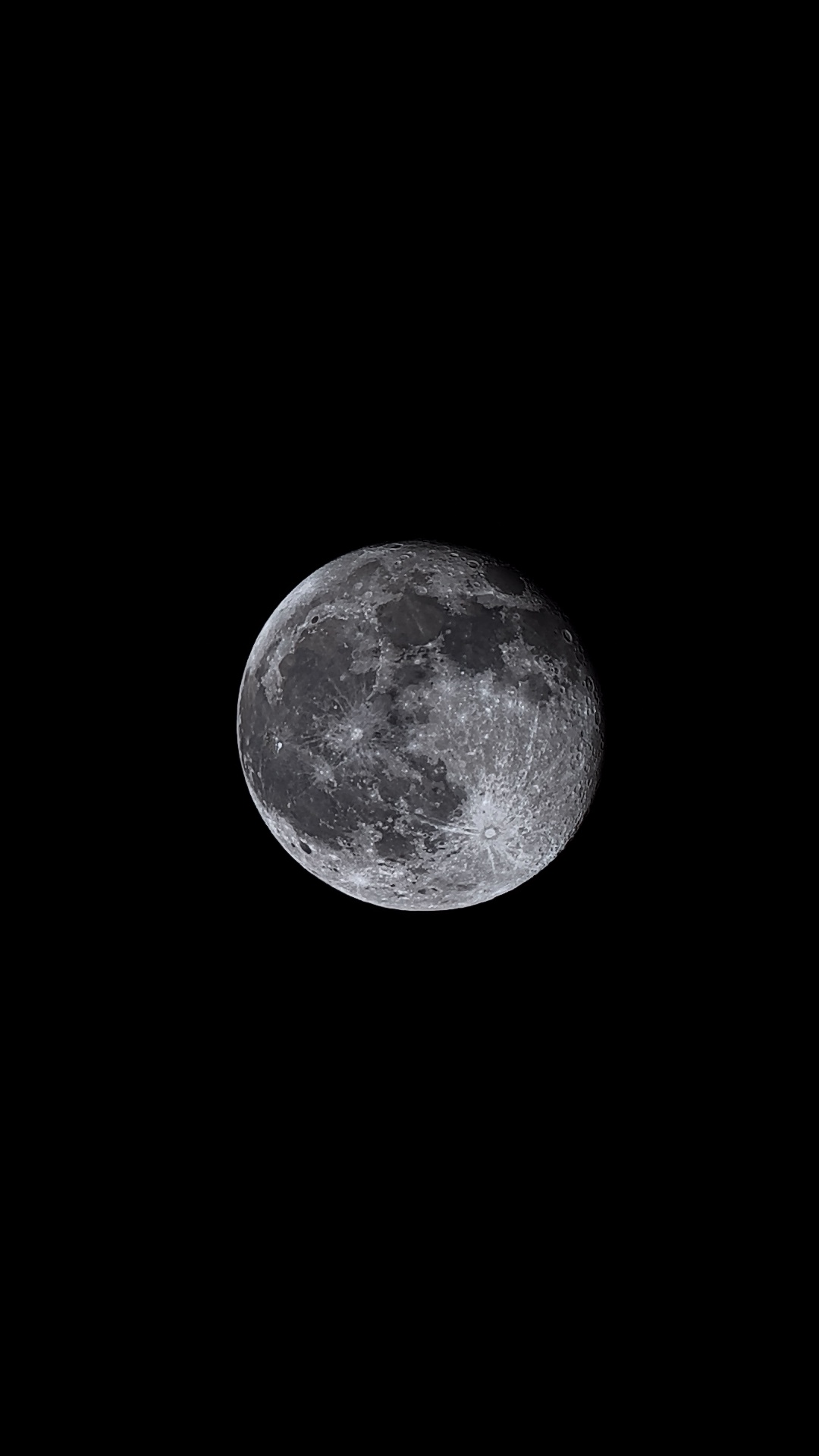
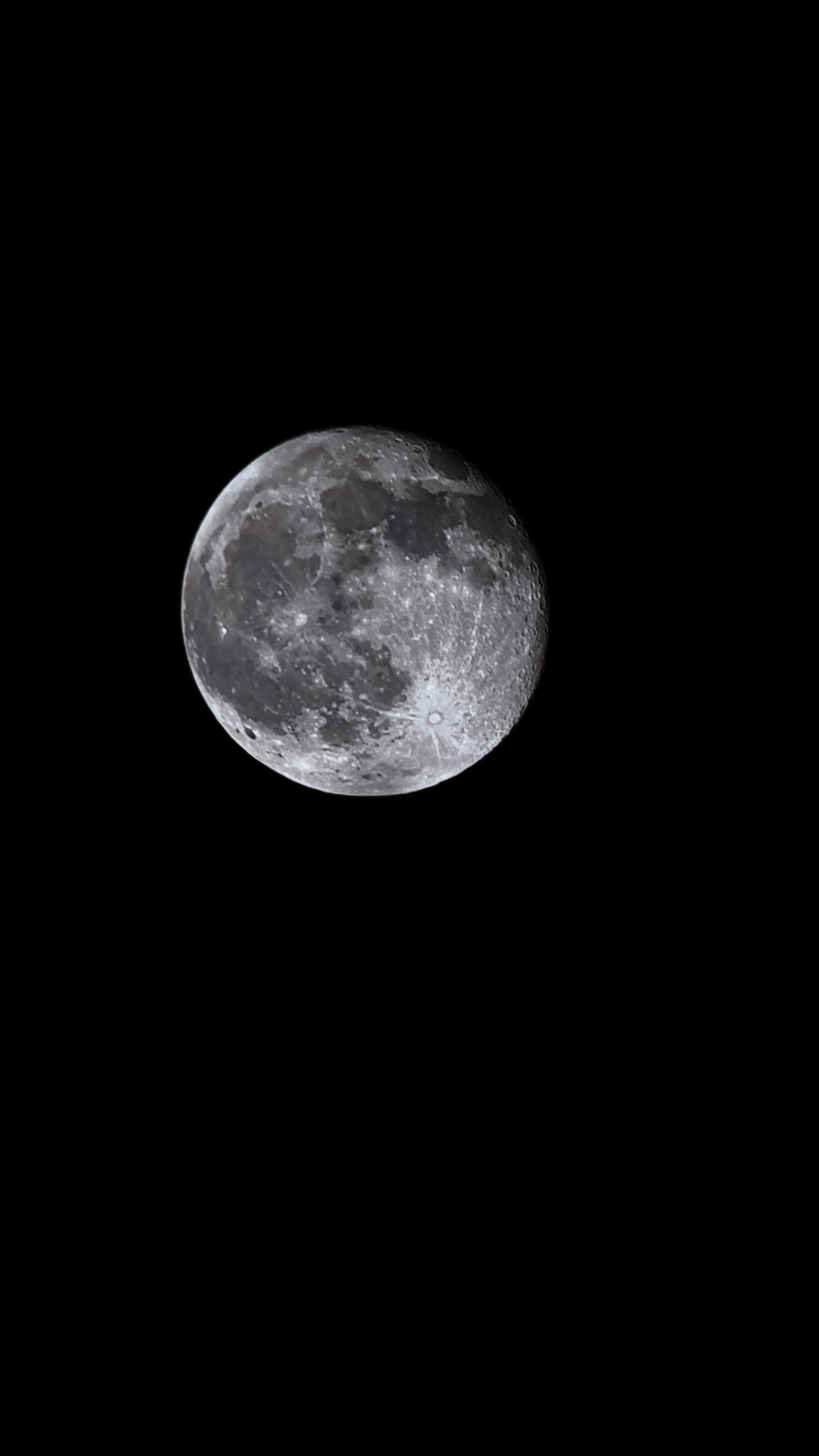
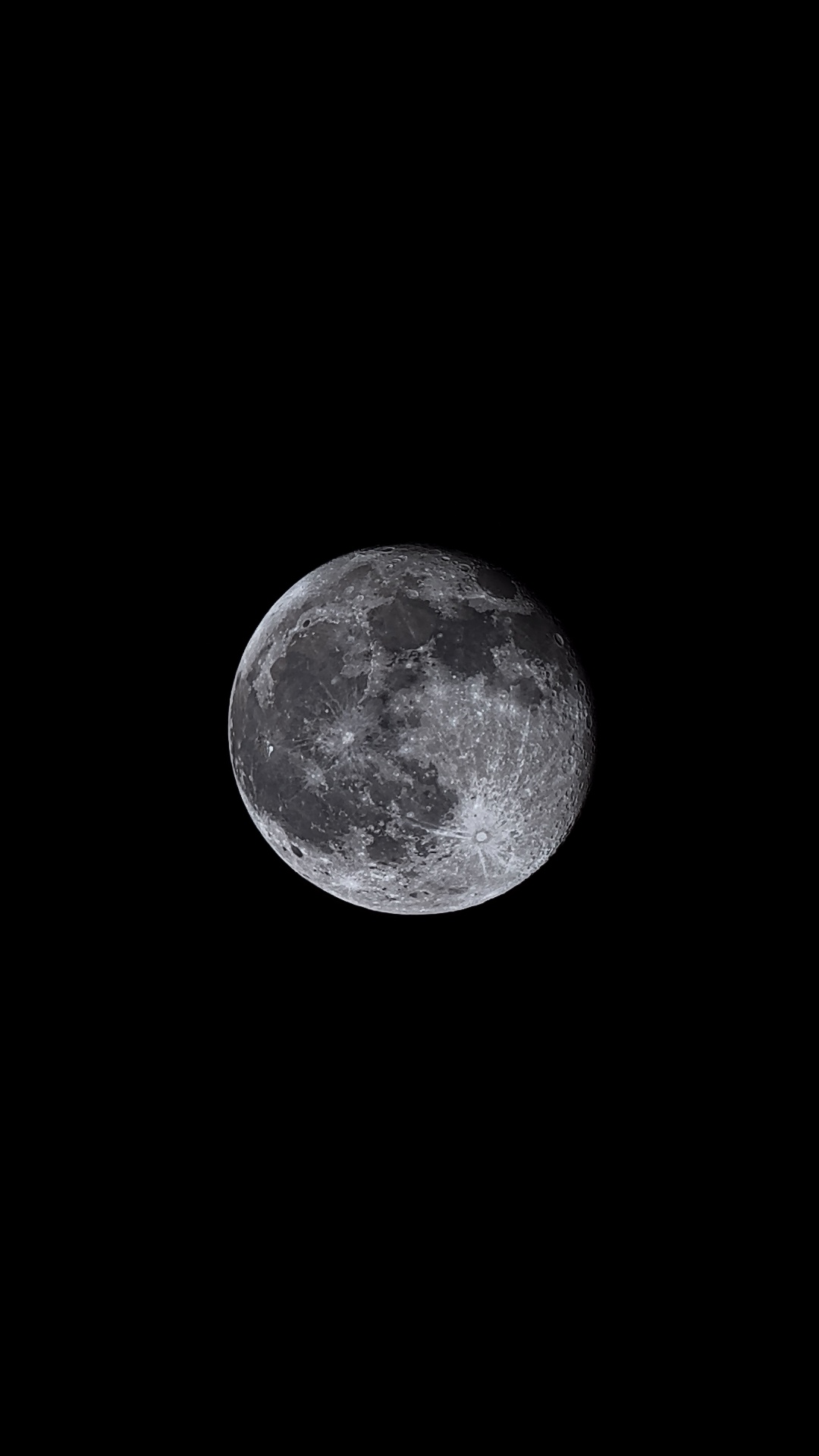
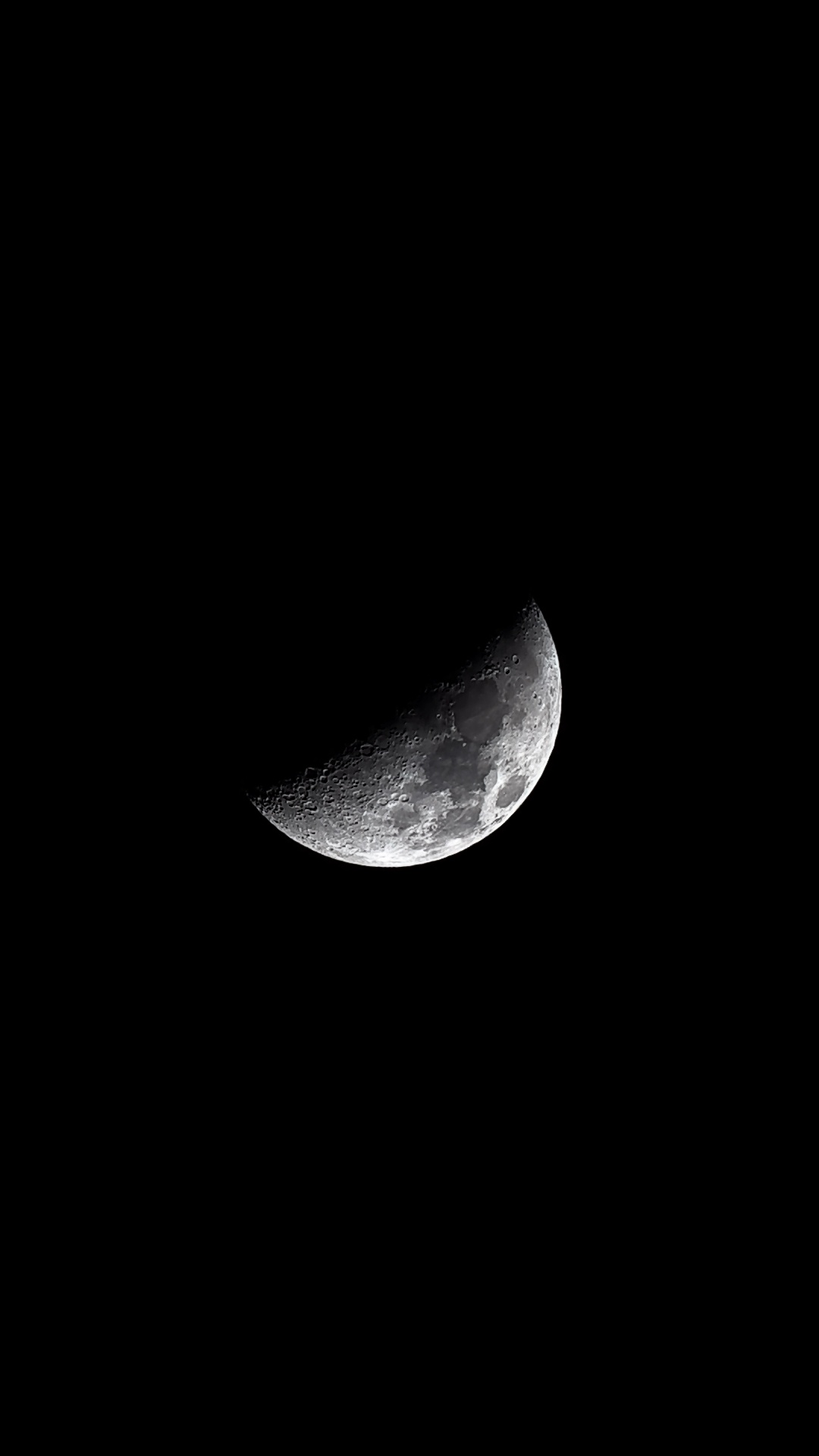
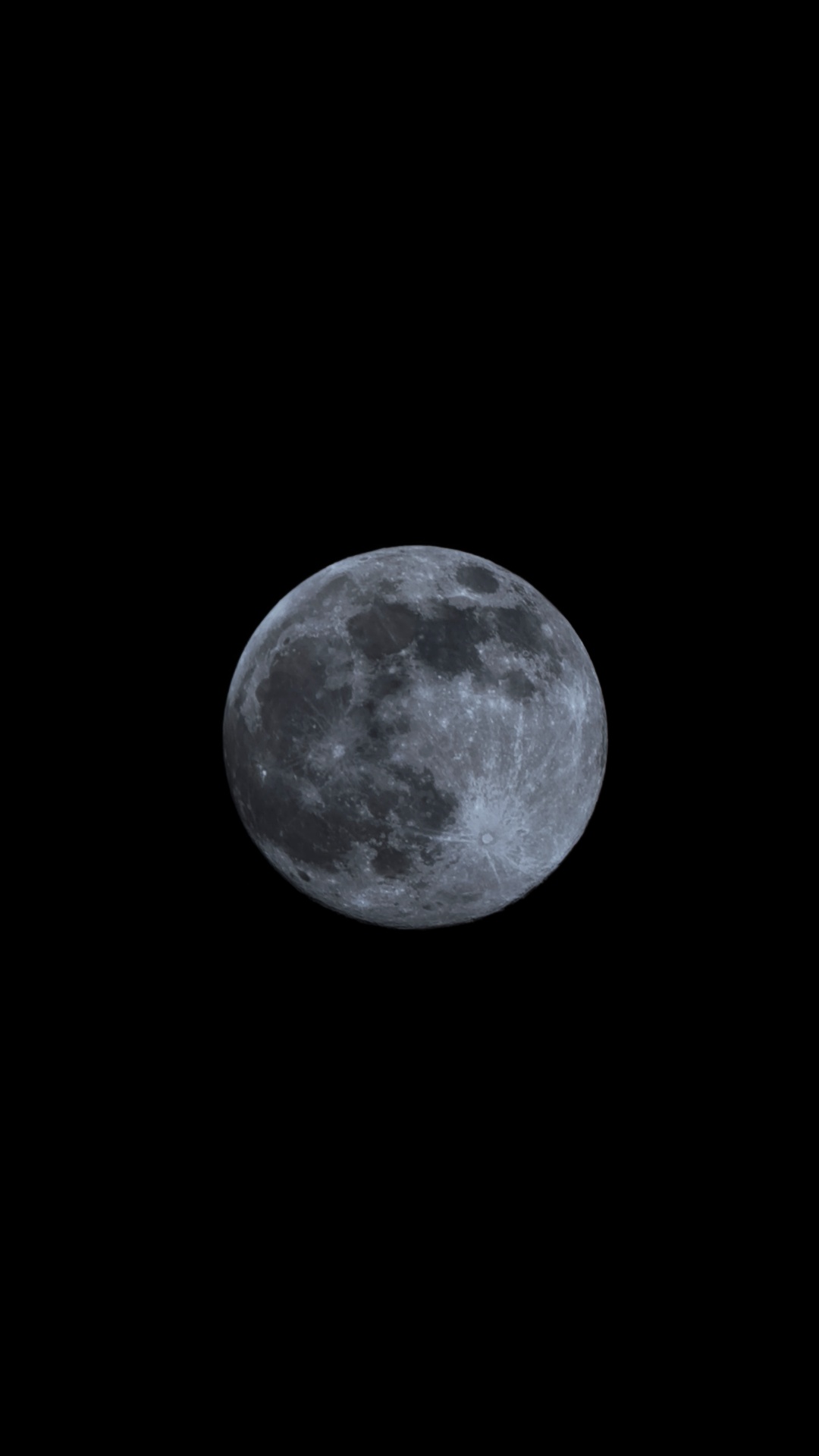
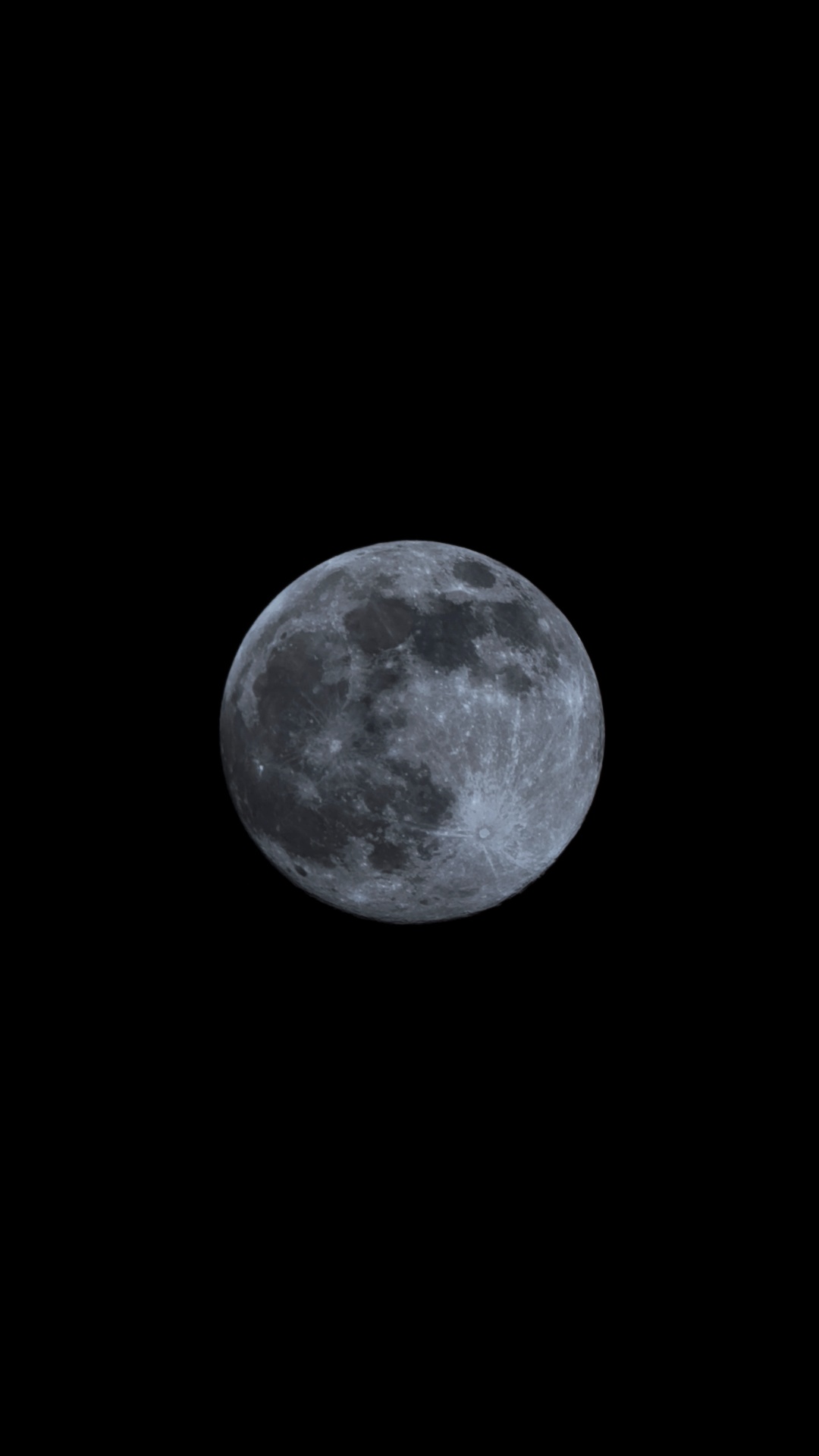
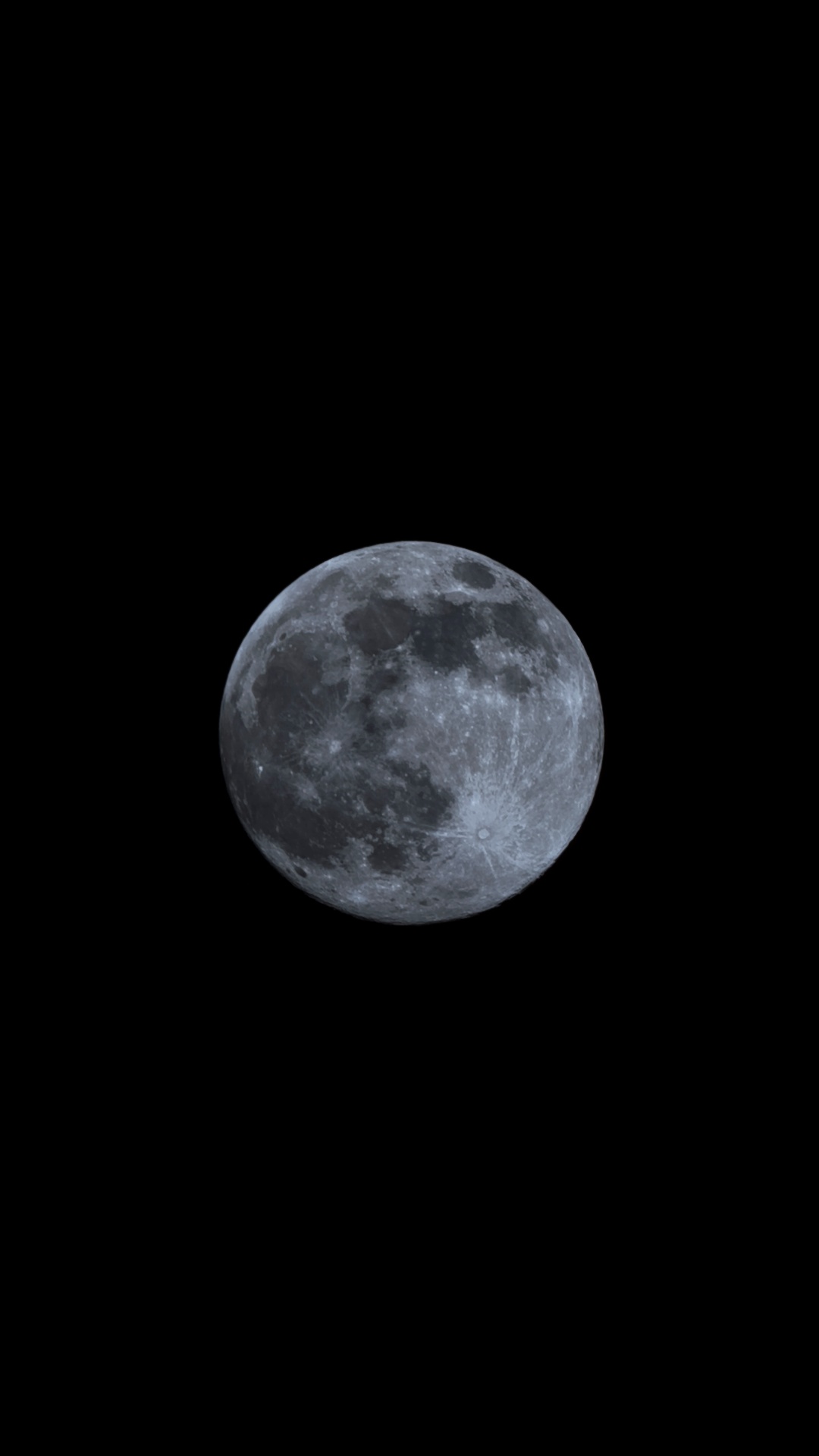
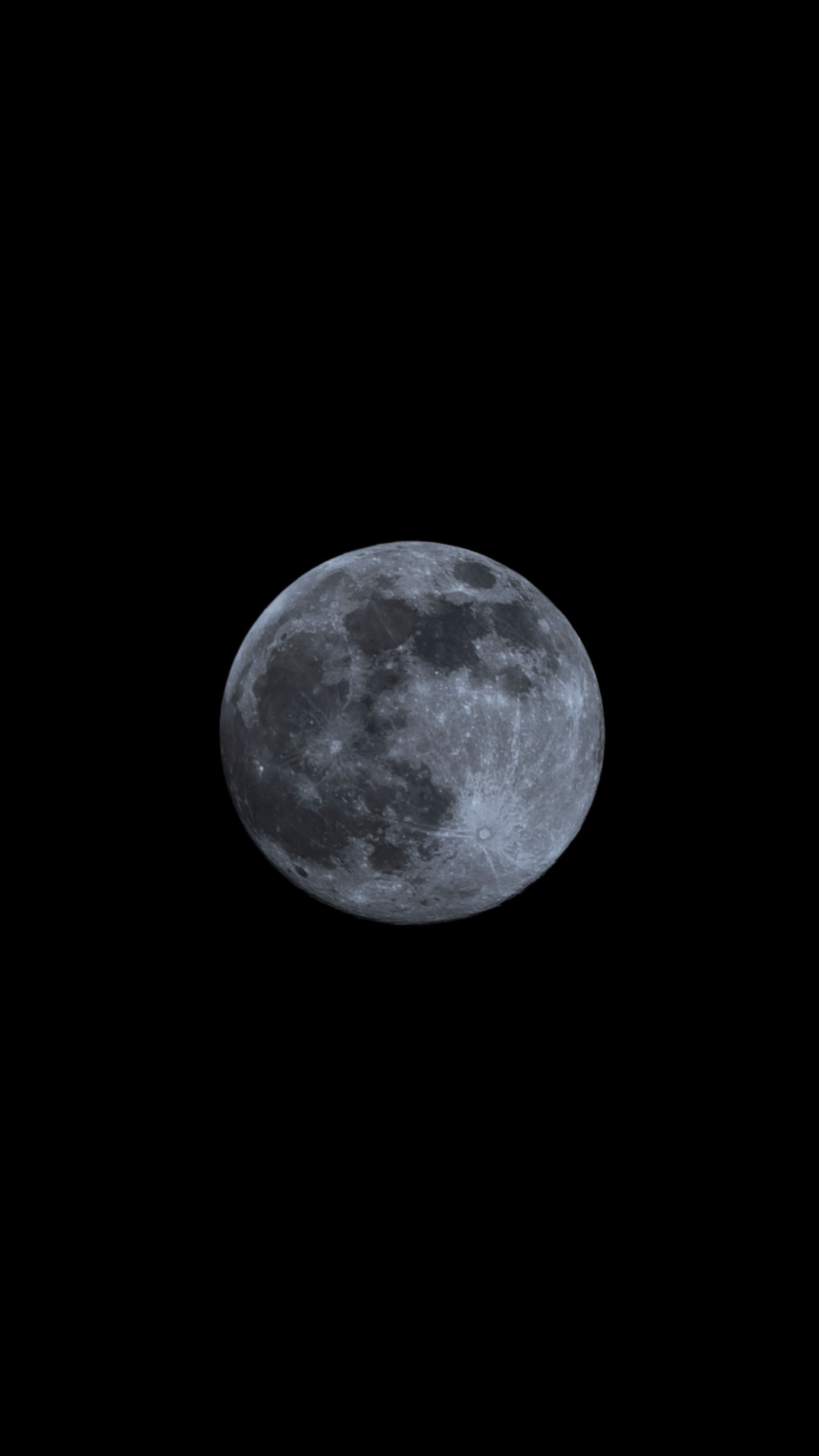
The Moon, also known as Luna, is Earth’s only natural satellite. It is believed to have formed about 4.5 billion years ago from debris after a giant impact on earth. It is a rocky body with a diameter of 2,159 miles and is tidally locked so the same side always faces Earth. Surface temperatures range from -280°F at night to 260°F in daylight. The average distance from Earth is 238,855 miles.
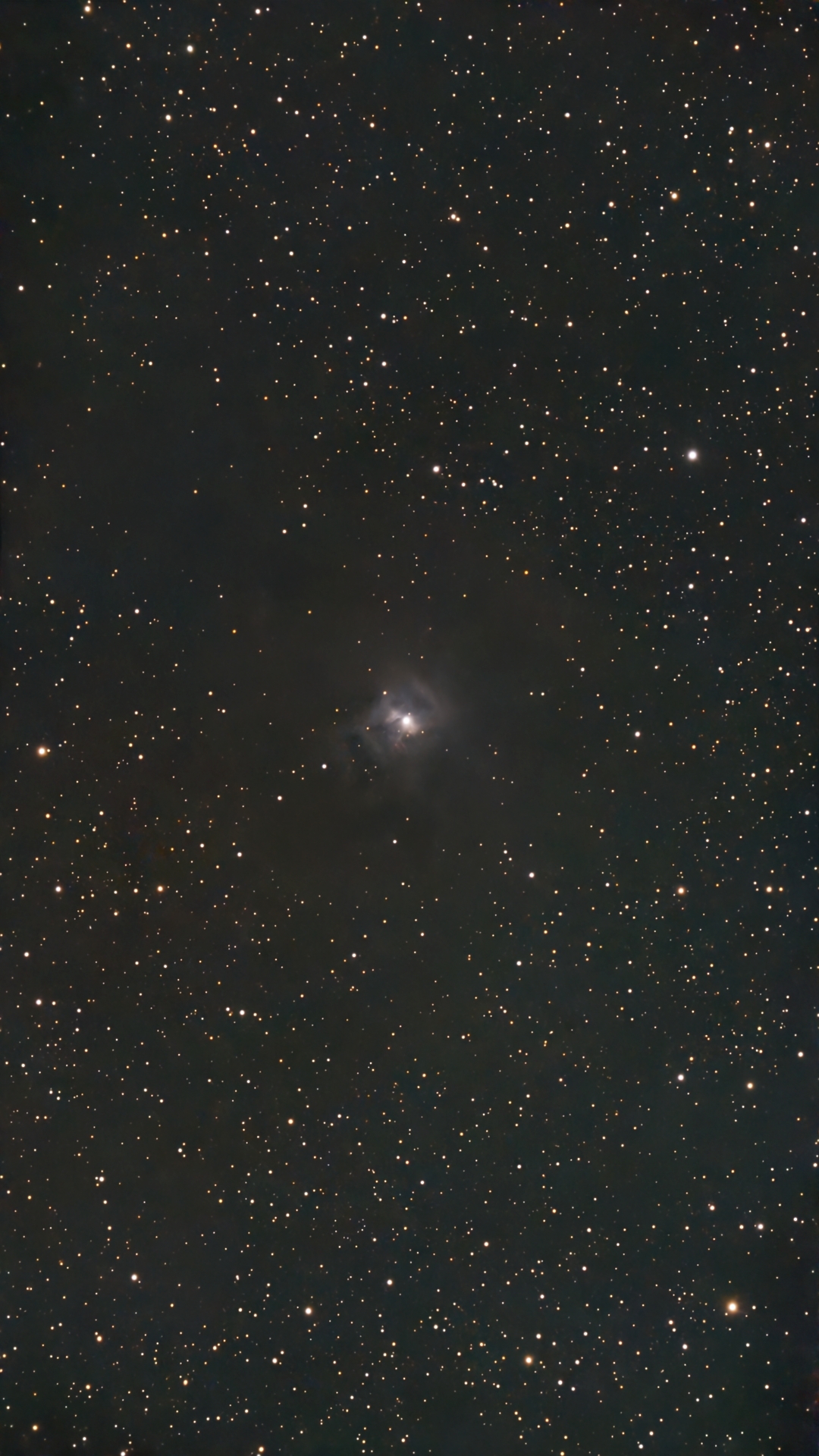
Caldwell 4, also known as the Iris Nebula, is a reflection nebula in the constellation Cepheus.. It spans roughly 6 light-years, glowing bluish from scattered light of its central star, with deep red filaments indicating unknown hydrocarbon-based compounds.
The apparent magnitude is 7.0. Its distance from Earth is approximately 1,400 light-years. Alternate names include NGC 7023. This nebula is of interest for its colors revealing all of the star-forming ingredients.
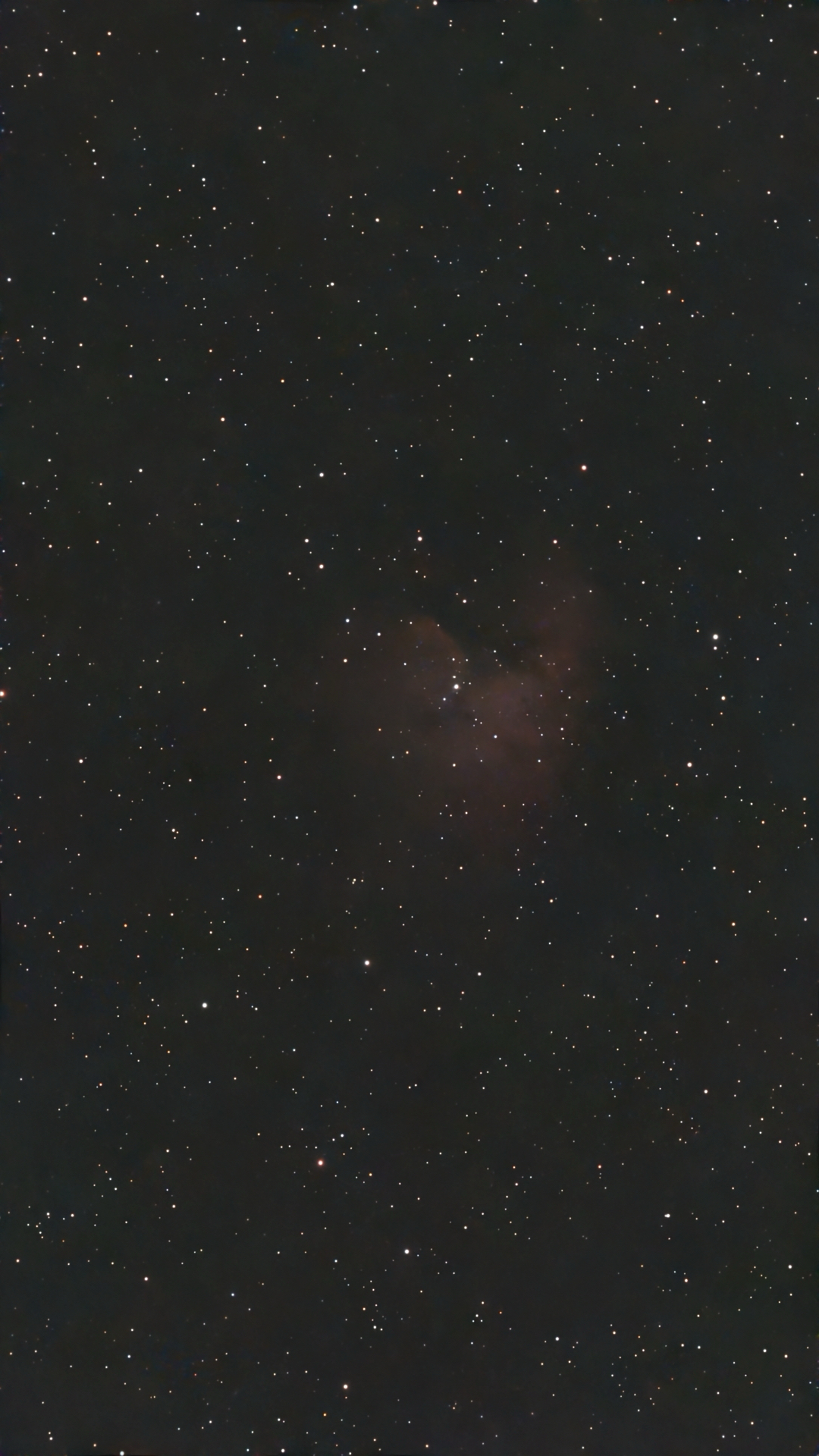
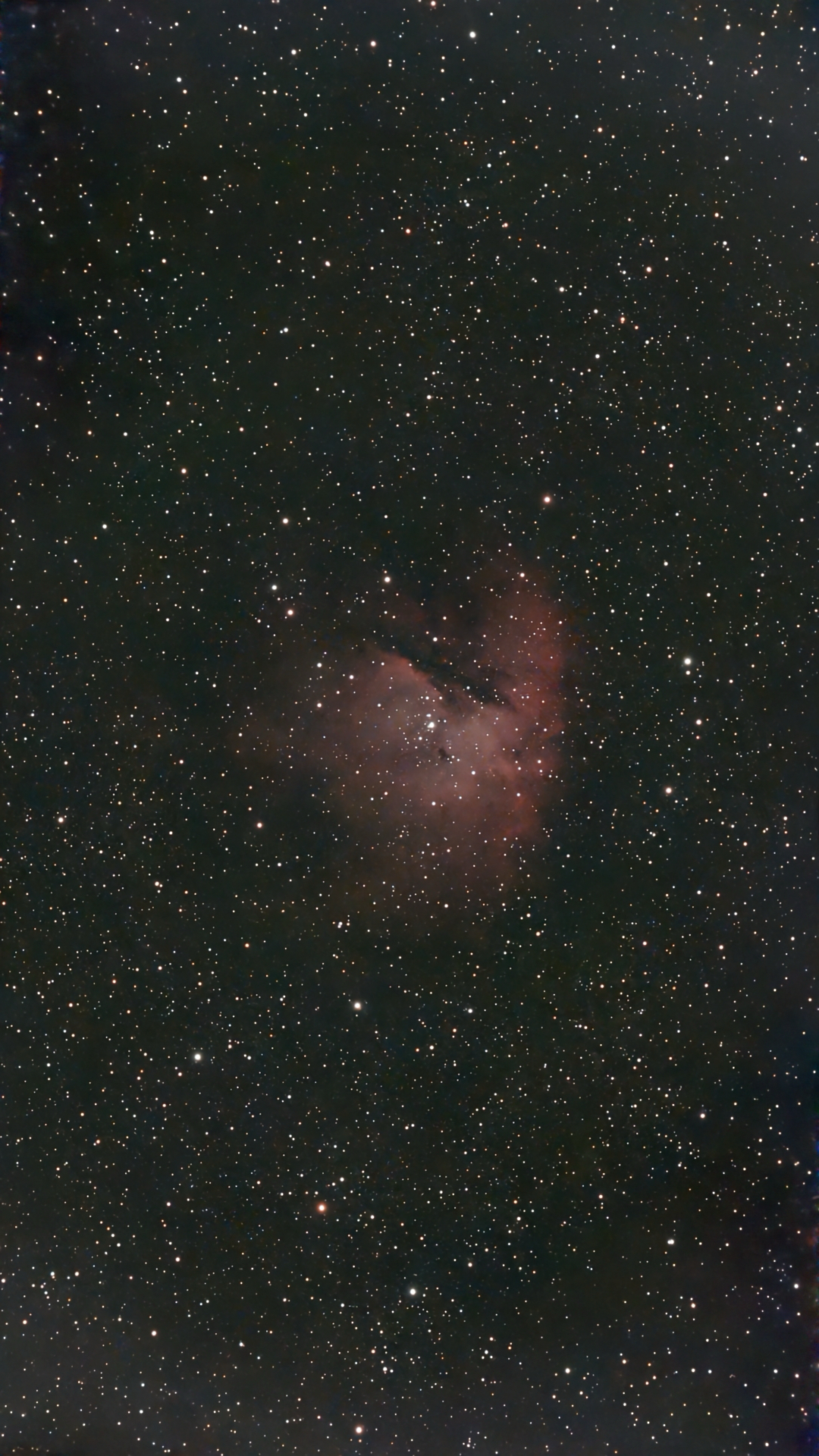
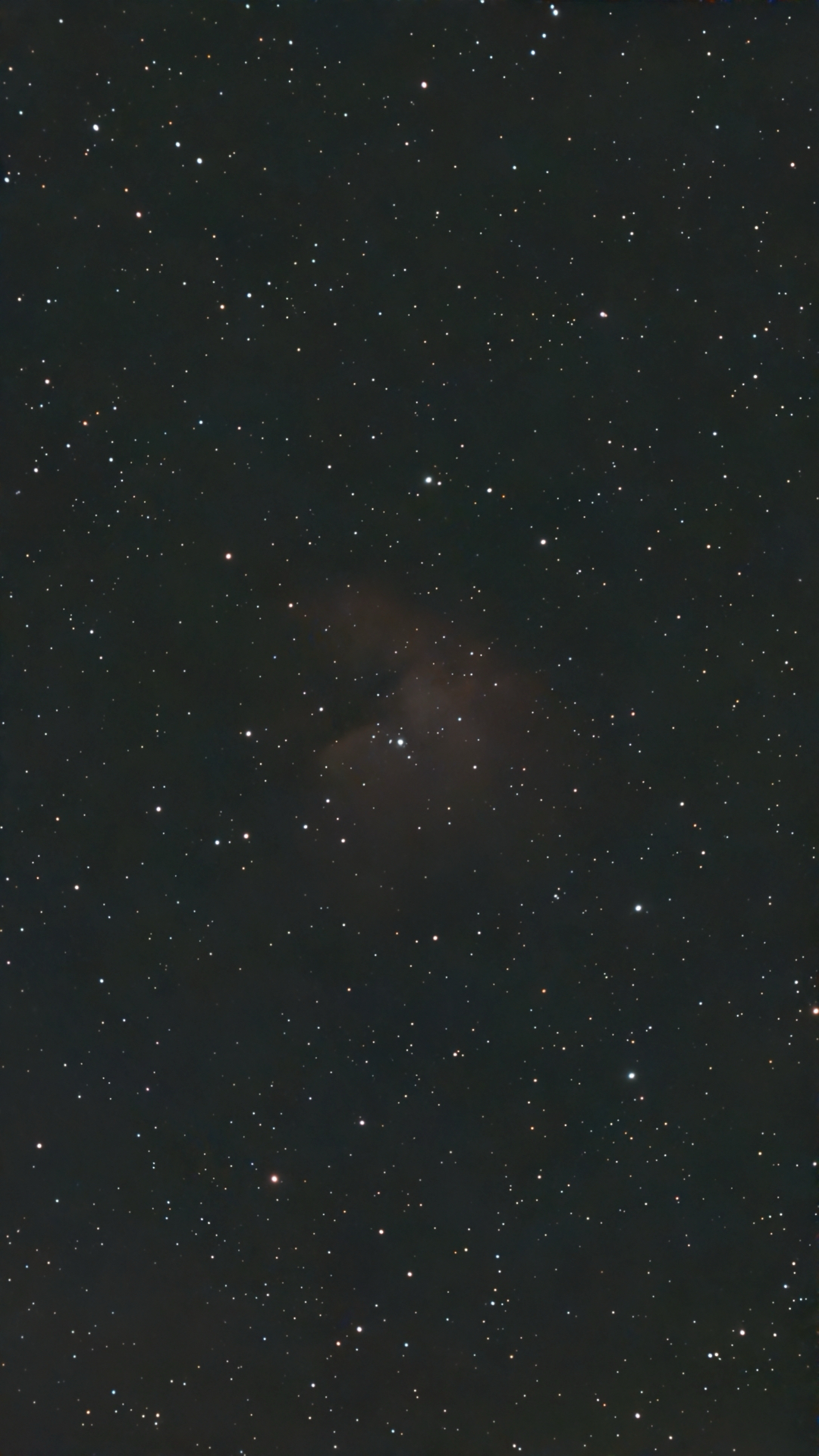
NGC 281, known as IC 11 or the Pacman Nebula, is an emission nebula and active star-forming region in the constellation Cassiopeia, containing the young open cluster IC 1590 ionized by massive O-type stars. It spans about 35 x 32 arcminutes with a distinctive “Pacman” shape from dark dust lanes. Apparent magnitude is 7.4. Distance from Earth is 9,500 light-years.
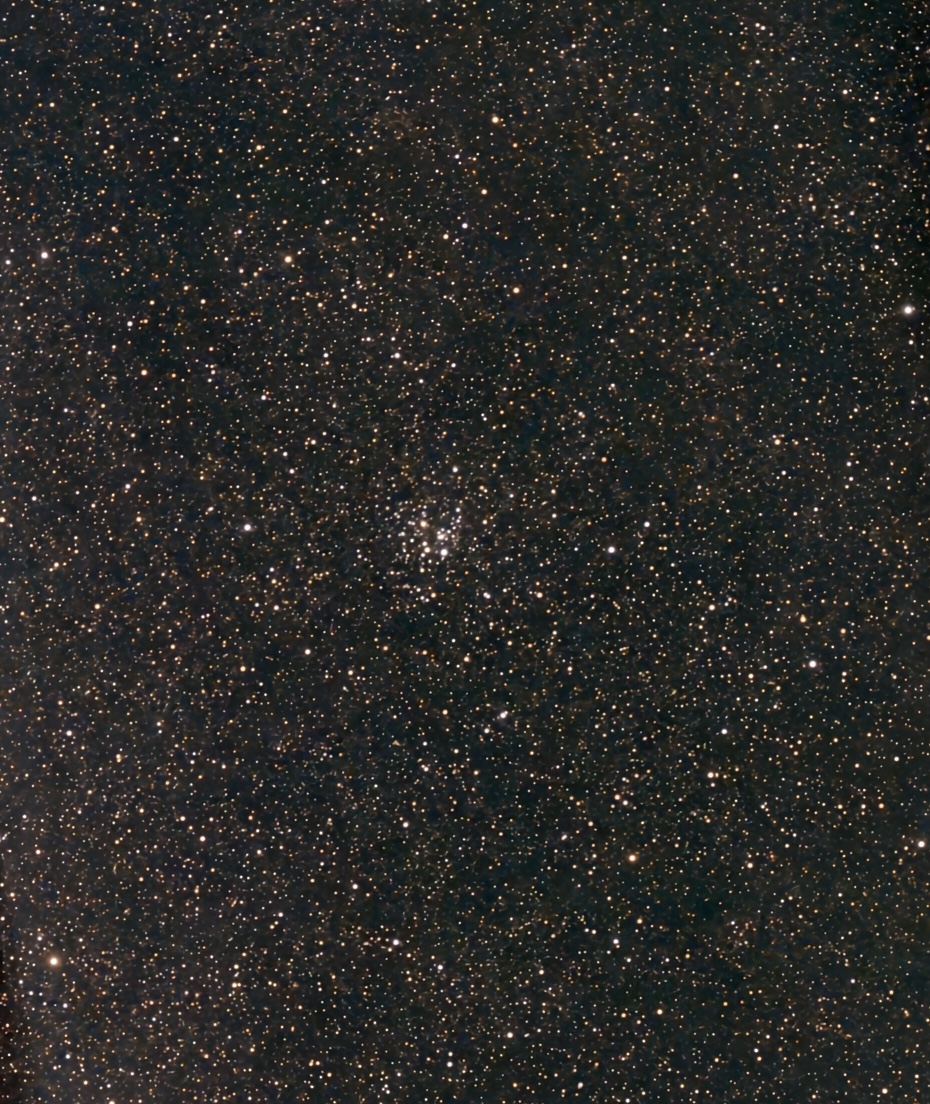
M26, also known as NGC 6694, is an open star cluster in the constellation Scutum, discovered in 1765. It’s a loose grouping of about 25 bright stars spanning 8 arcminutes, located in the Scutum Star Cloud. Apparent magnitude is 8.0. Distance from Earth is 5,000 light-years.
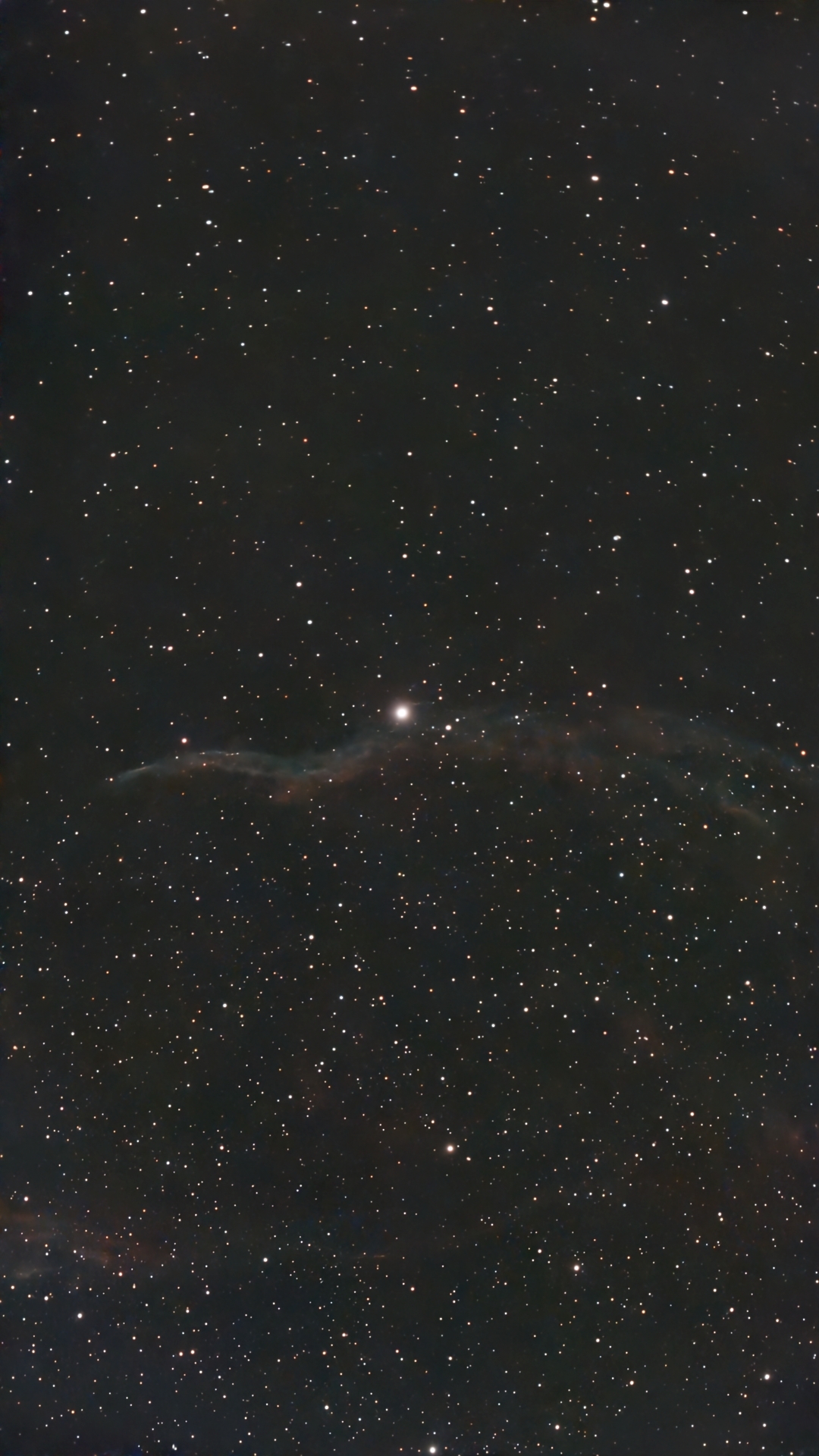
NGC 6960, also known as the Witch’s Broom Nebula, Filamentary Nebula, Caldwell 34, and the Western Veil Nebula, is a filamentary supernova remnant in the constellation Cygnus, discovered in 1784. It’s the western arc of the larger Veil Nebula (Cygnus Loop), an expanding shell of gas from a star that exploded roughly 8,000 years ago, featuring delicate, ionized filaments spanning 70 arcminutes. Its apparent magnitude is 7.0 and the distance from Earth is approximately 2,000 light-years.
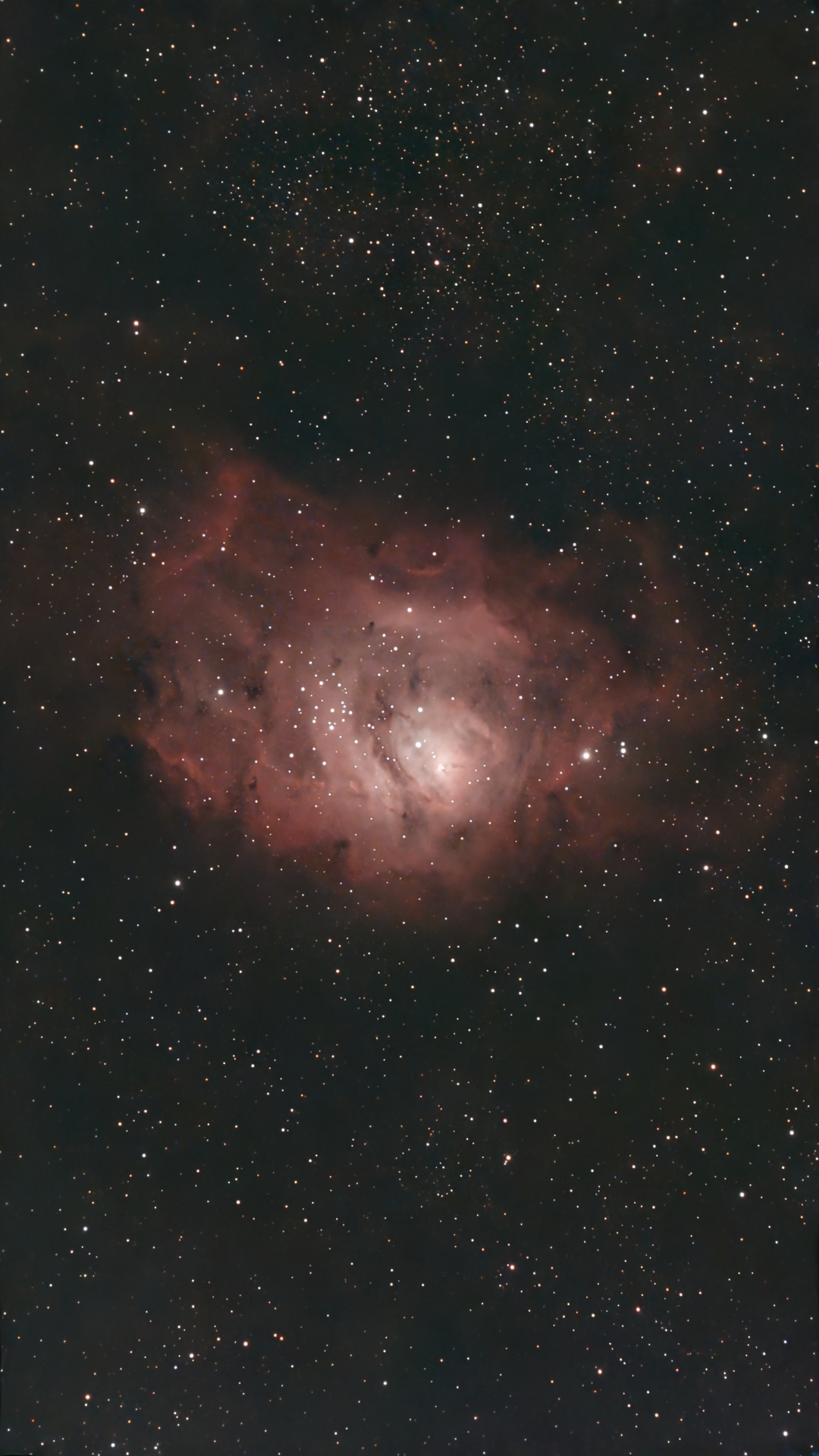
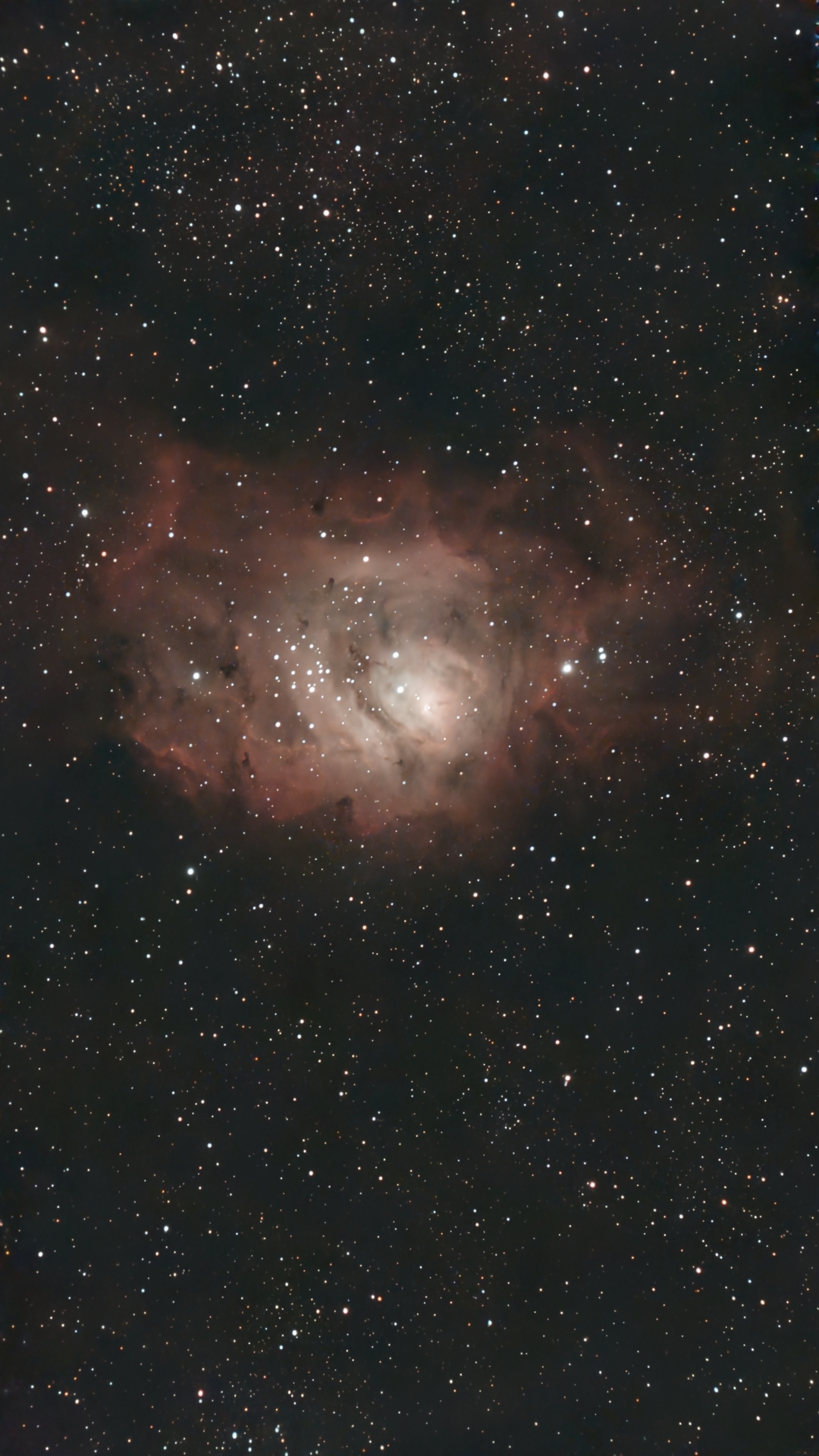
M8, the Lagoon Nebula or NGC 6523, is a giant emission nebula with an H II region in the constellation Sagittarius, discovered by Giovanni Hodierna in 1654. It’s an active stellar nursery ionized by ultraviolet radiation from embedded young stars, spanning 90 x 40 arcminutes. Apparent magnitude is 6.0. Distance from Earth is 4,100 light-years.
===
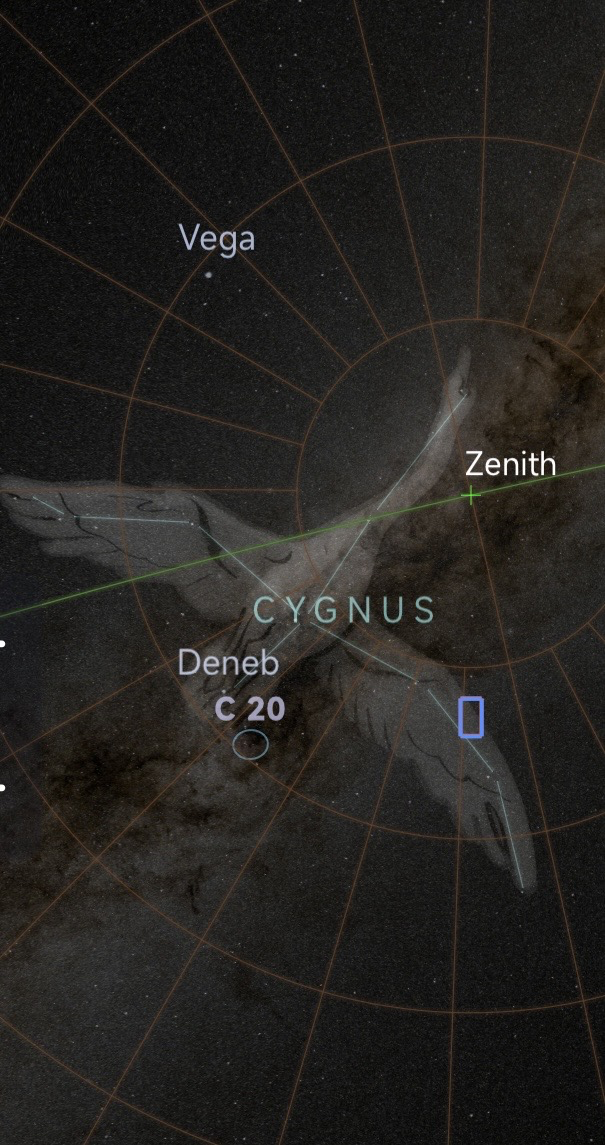
This little nebula was at the edge of the Cygnus constellation. I’m sure it has a name, but I haven’t found it yet. This was about 35 minutes of exposure. The second image shows a blue box (over the wing of Cygnus) where the image was taken.
Image was captured on 27 September 2025.
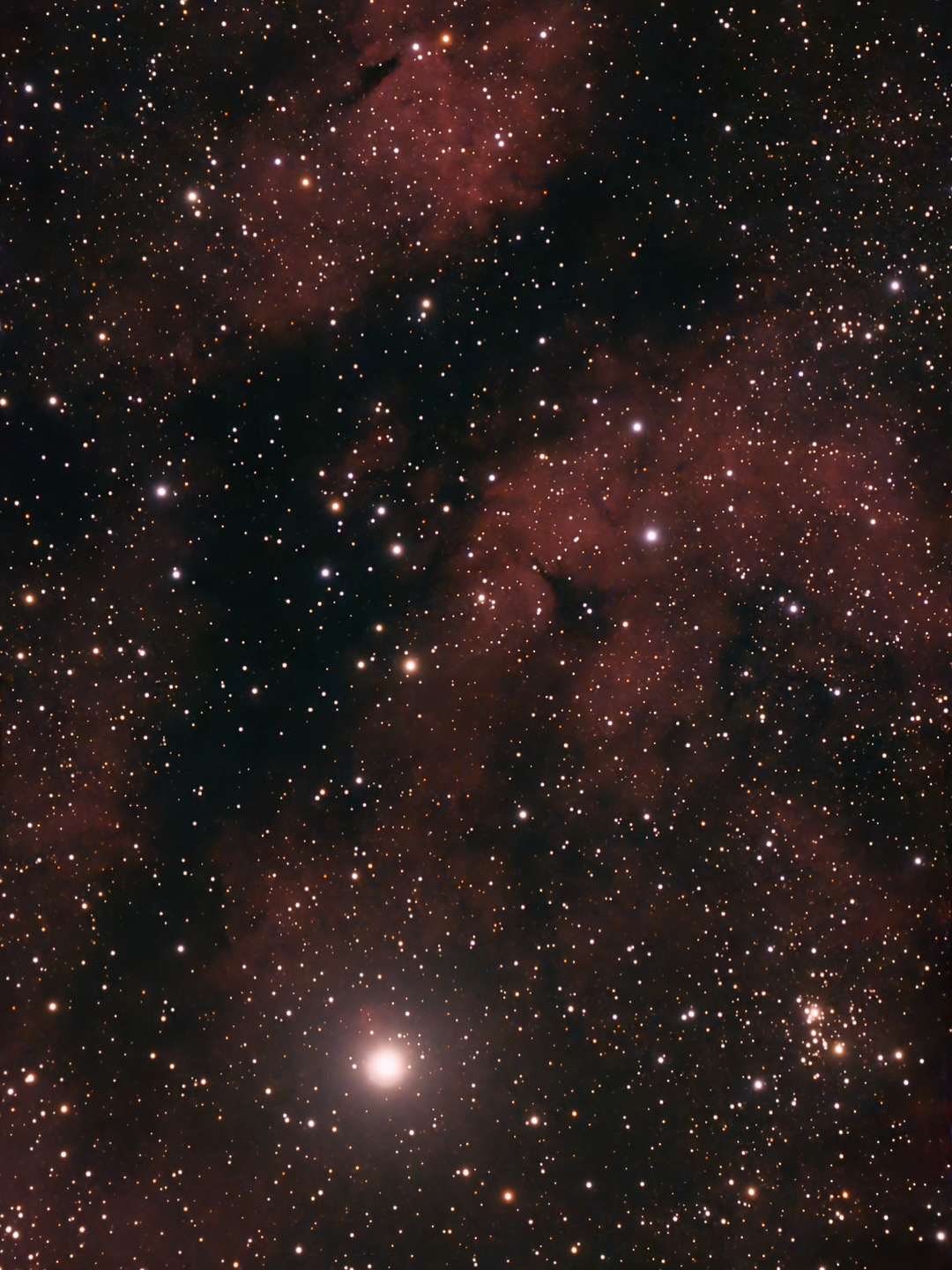
This is an image on Sadr and the surrounding nebula clouds. I finished out the night with an hour long exposure.
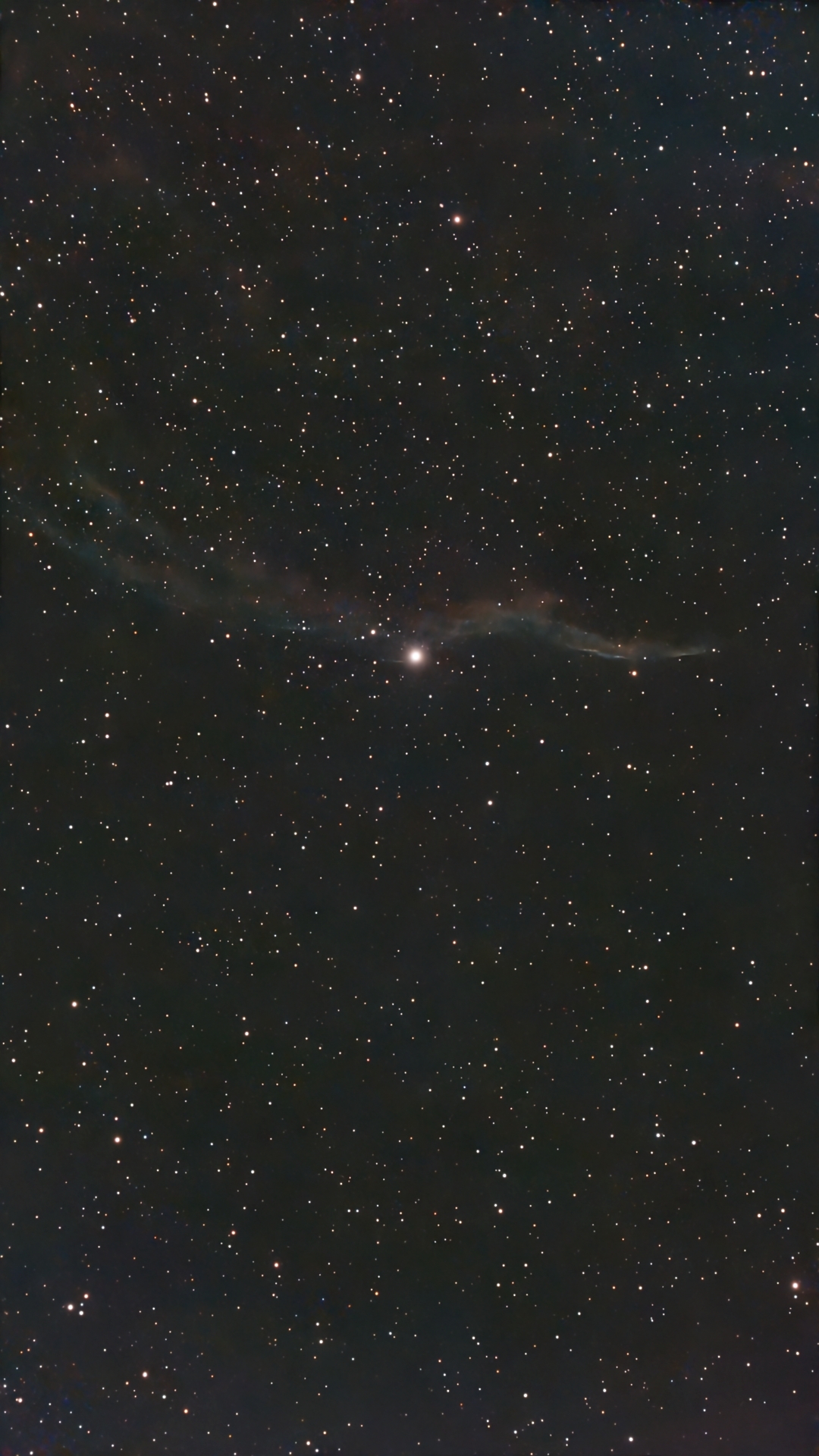
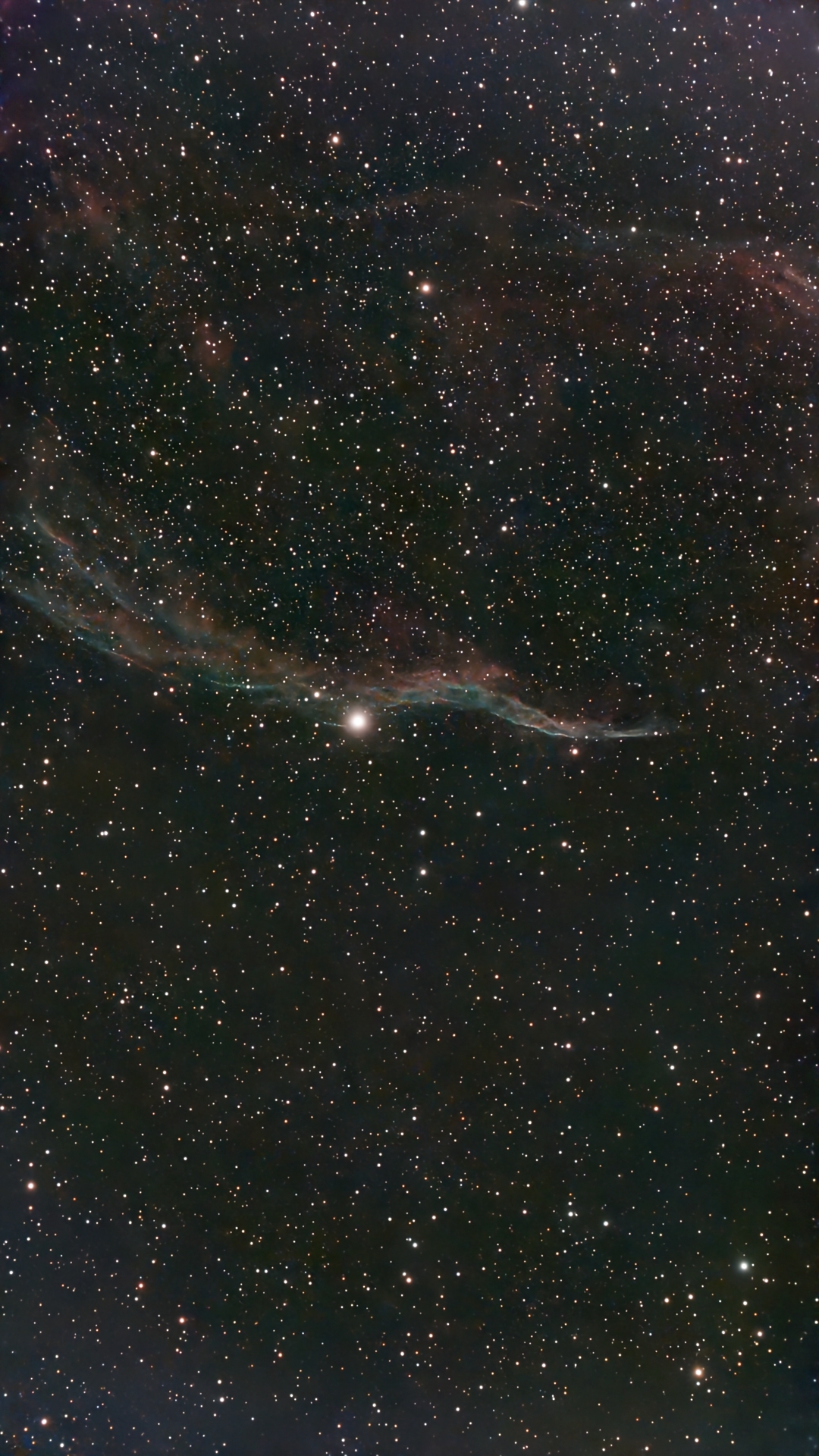
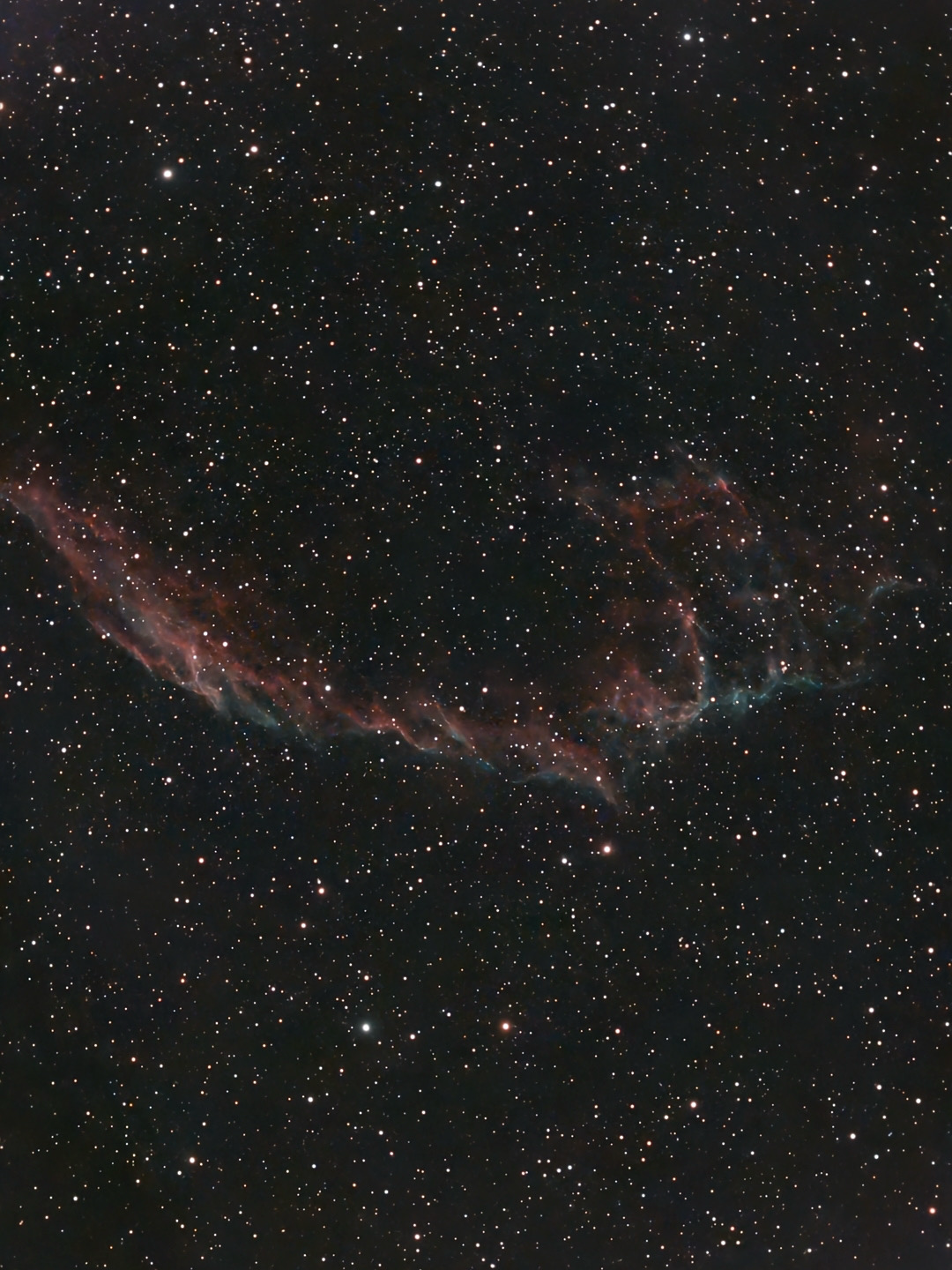
NGC 6992, also known as Caldwell 33, NGC 6995, and the Eastern Veil Nebula, is a filamentary supernova remnant in the constellation Cygnus, discovered in 1784. It’s the eastern arc of the larger Veil Nebula (Cygnus Loop), an expanding shell of ionized gas from a star that exploded roughly 8,000 years ago, spanning about 50 arcminutes. Apparent magnitude is 8.0. Distance from Earth is 2,000 light-years.